Knowledge Consultation on GESI Outcomes in the Curriculum
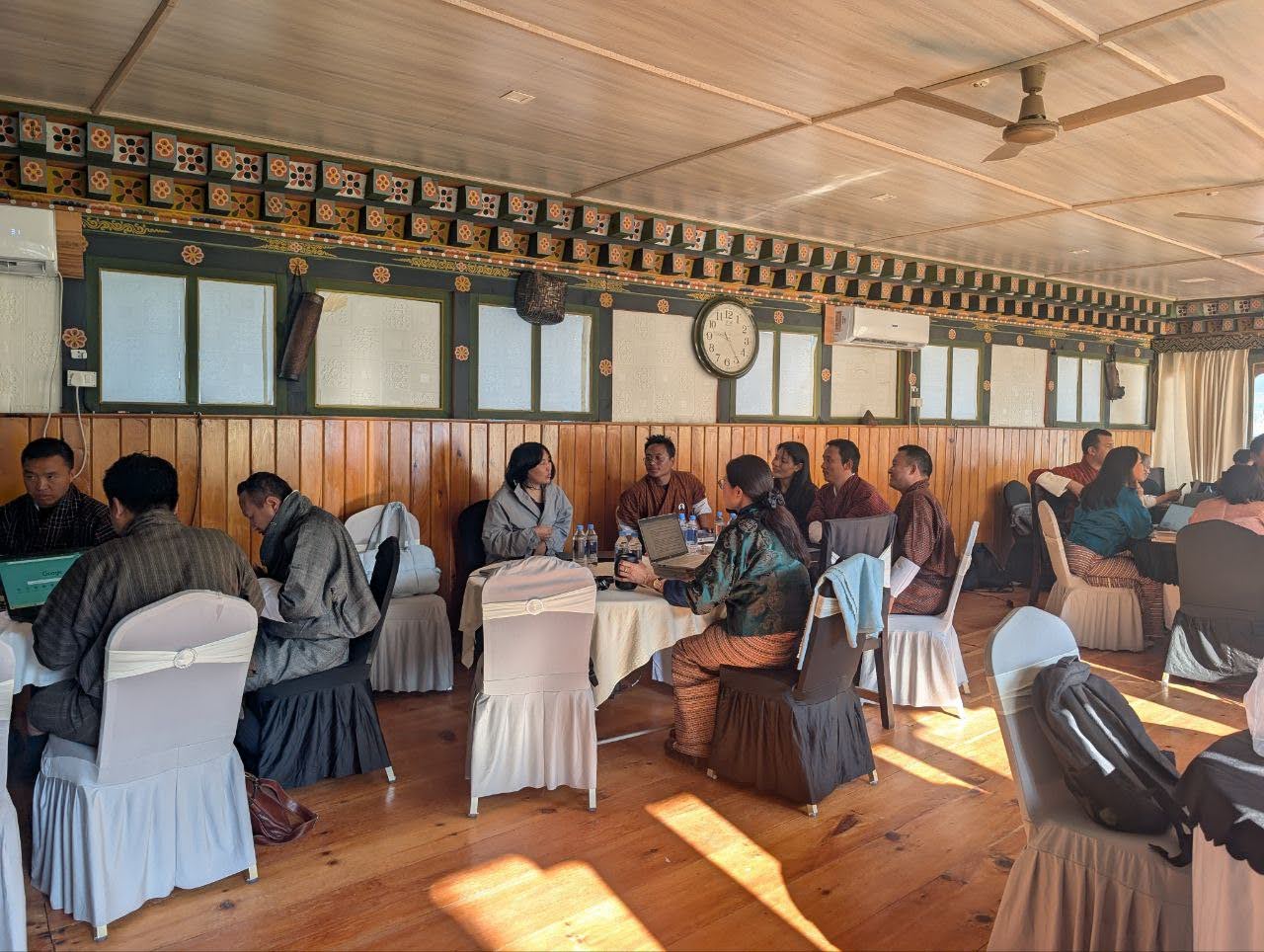
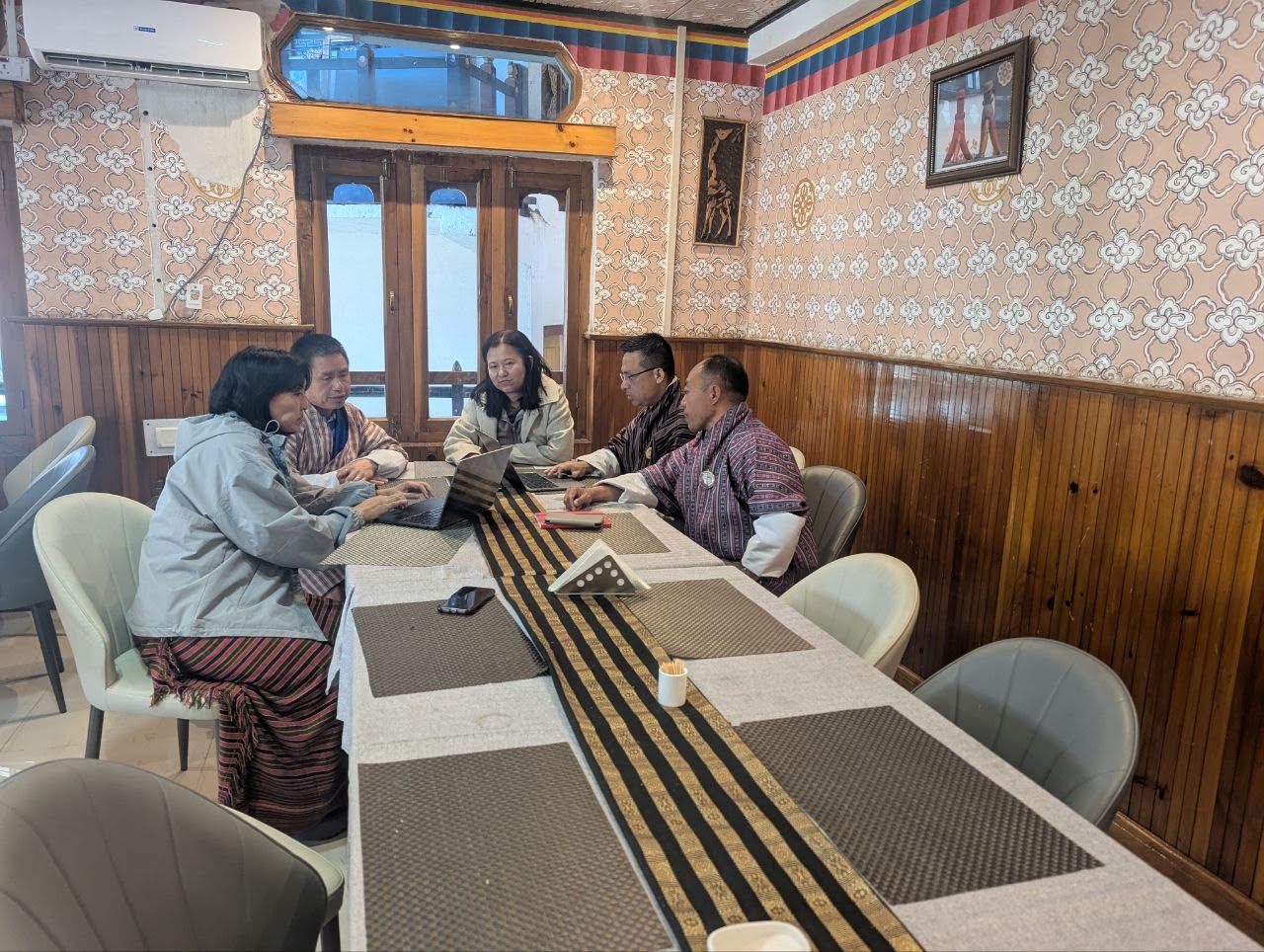
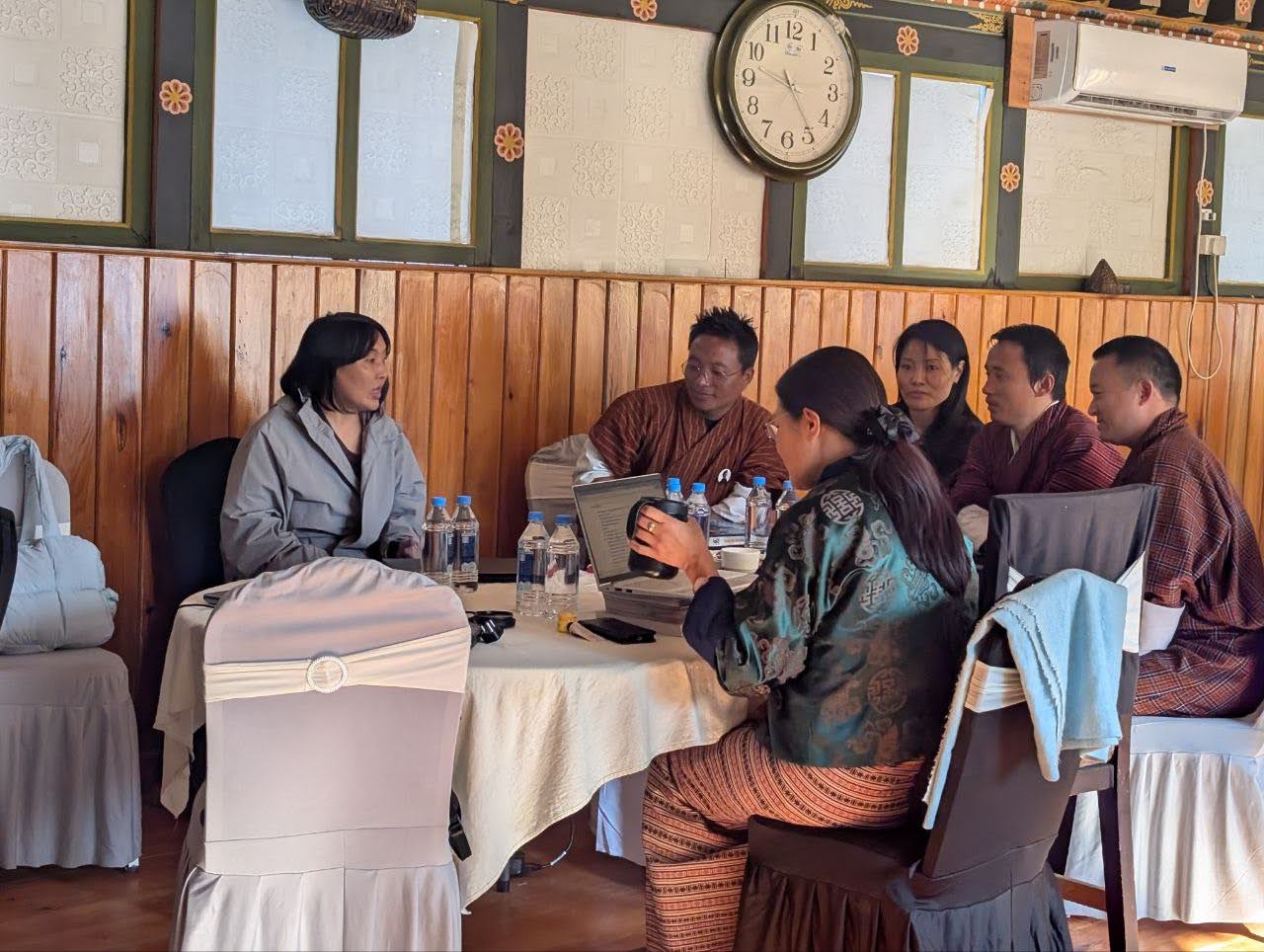
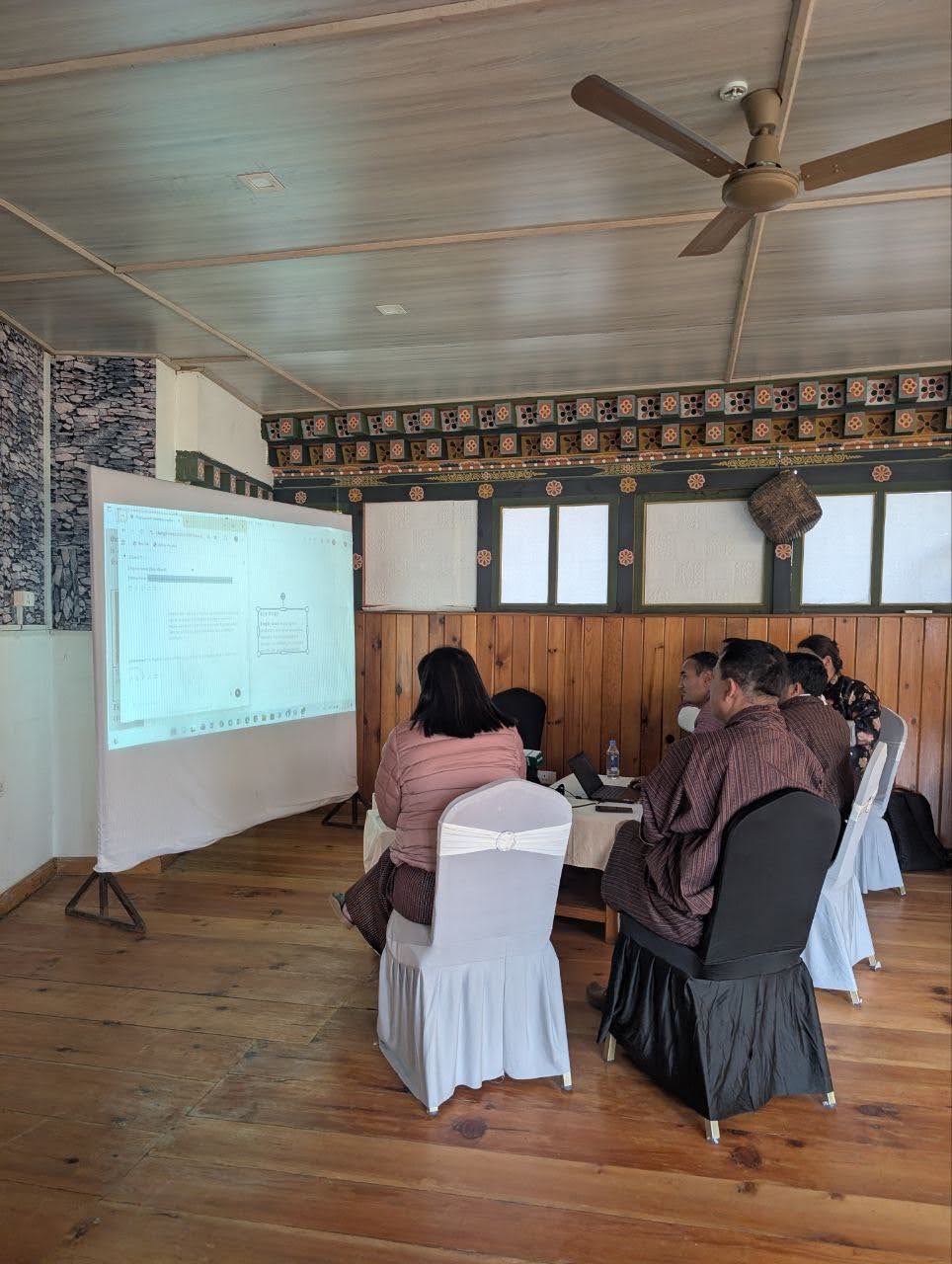
A six-day curriculum writing workshop for Classes 9 and 11, held from 1–6 December at Lobesa, aimed to strengthen the integration of Gender Equality and Social Inclusion (GESI) principles across subjects. The workshop also considered how GESI principles could complement the ongoing alignment of the curriculum with the Cambridge framework to support more inclusive learning. Kinley Seden (PhD) and Tshering Om Tamang from the project team joined the review, providing guidance and recommendations.
The workshop followed earlier consultations at the Ministry of Education and Skills Development (MoESD) on 11 July 2025 with Hon’ble Lyonpo Yeezang D. Thapa, Minister for Education and Skills Development, and Dasho Tshewang C. Dorji, Secretary, and on 1 October 2025 with Director Tashi Namgay. During these meetings, the project team shared updates on GESI integration in the curriculum to provide context for the ongoing review process.
In his opening remarks, Mr. Norbu Wangchuk, Chief Curriculum Specialist, noted that there remains significant scope for a more consistent and comprehensive integration of GESI across all subjects. He highlighted that both the Minister for Education and Skills Development and the Director of School Education have emphasized the need for a gender-sensitive and inclusive national curriculum.
During the workshop, participants observed subtle integration of GESI-related concepts across subjects such as English, Economics, History, and Geography. Recommendations focused on strengthening key educational content, including revising lessons to highlight women’s historical contributions, incorporating marginalized voices, and using more inclusive content, language, and images to promote gender equality and social inclusion. Kinley Seden (PhD) provided input for Economics, Tshering Om Tamang contributed to the English curriculum, and Thinley Wangchuck, another SCE faculty member, played a key role in refining the History curriculum to incorporate these improvements. These subject-specific enhancements were designed to align with the ongoing Cambridge framework while integrating GESI principles. Comments and suggestions were also provided to further enhance other subjects, addressing key indicators such as think, plan, and imagine, economic and non-economic exploitation, autonomy, mobility, critical thinking, and GESI-responsive curriculum planning. Some of these recommendations have already been incorporated.
Upcoming curriculum writing workshops for Classes 1 to 8 will take place from 22–30 December, and for Classes 10 and 12 in January 2026. Stakeholders involved in the current review have been invited to contribute to these consultations as well.
The workshops reflect Bhutan’s ongoing commitment to promoting gender equality and social inclusion in the national curriculum while fostering critical thinking and inclusive learning for students.


You may also like
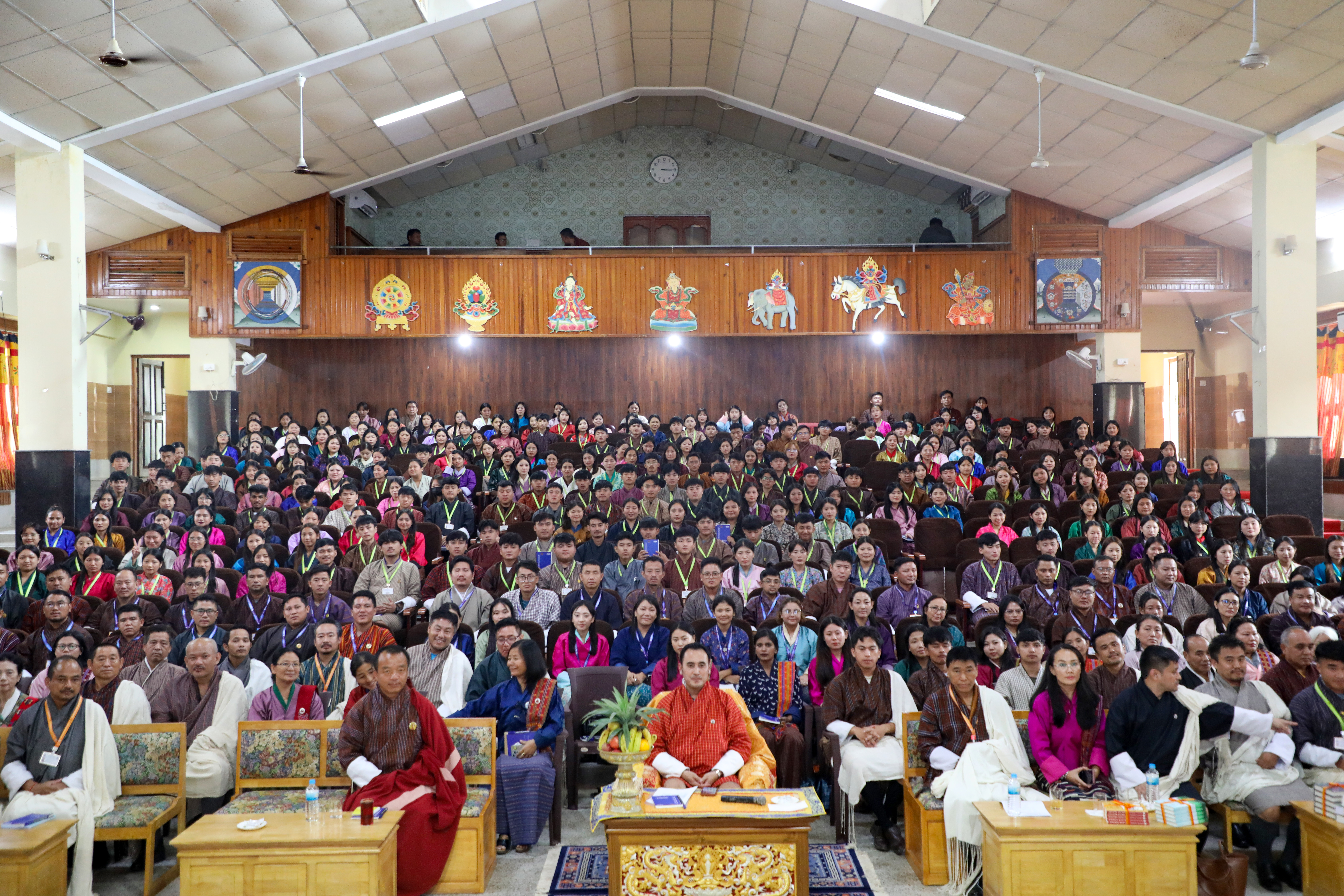
Visit of the Hon’ble Minister of Industry, Commerce and Employment to SCE
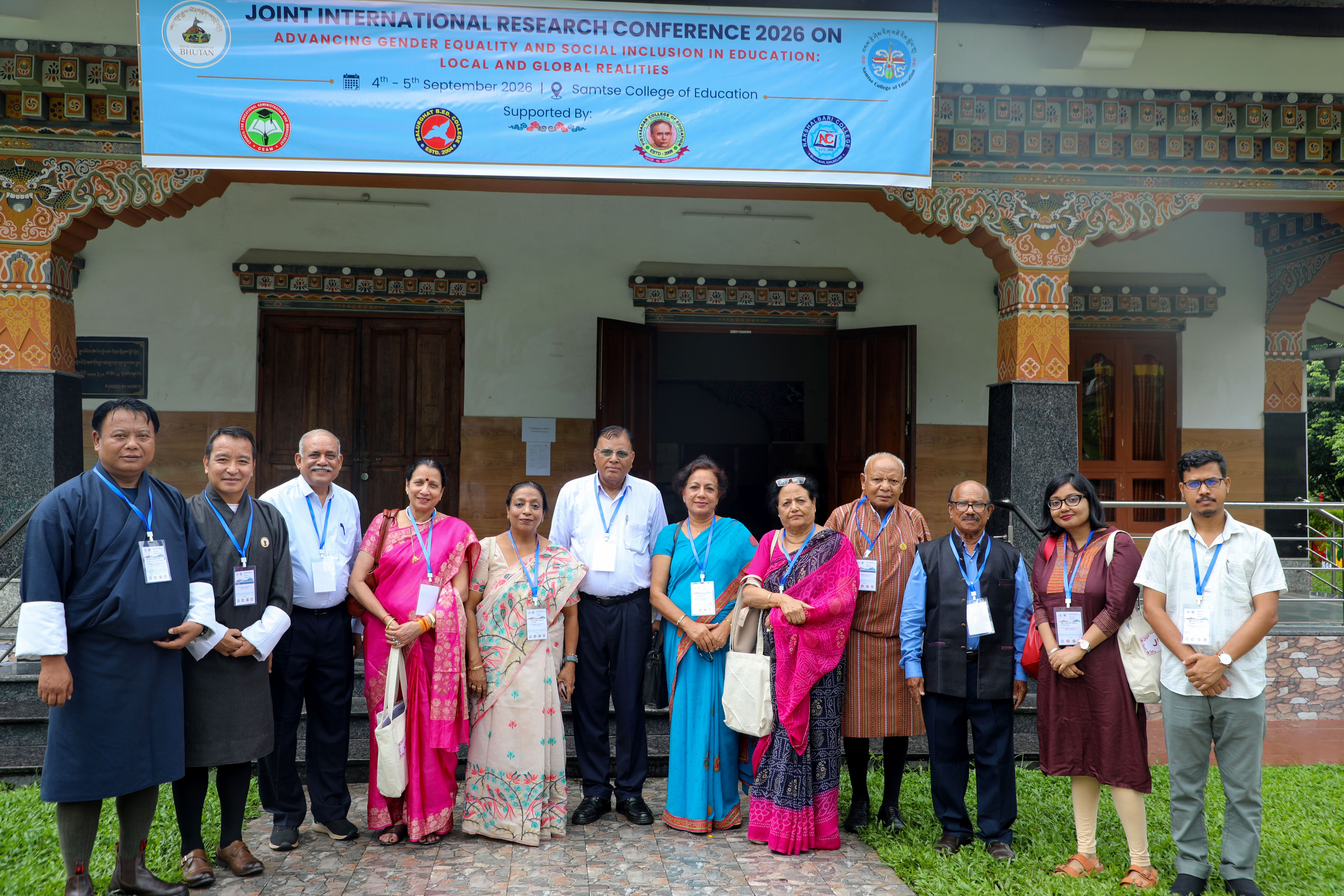
SCE Hosts Joint International Research Conference 2026