Shaping the Future of STEM Education: IC-STEME 2025 Underway in Bhutan
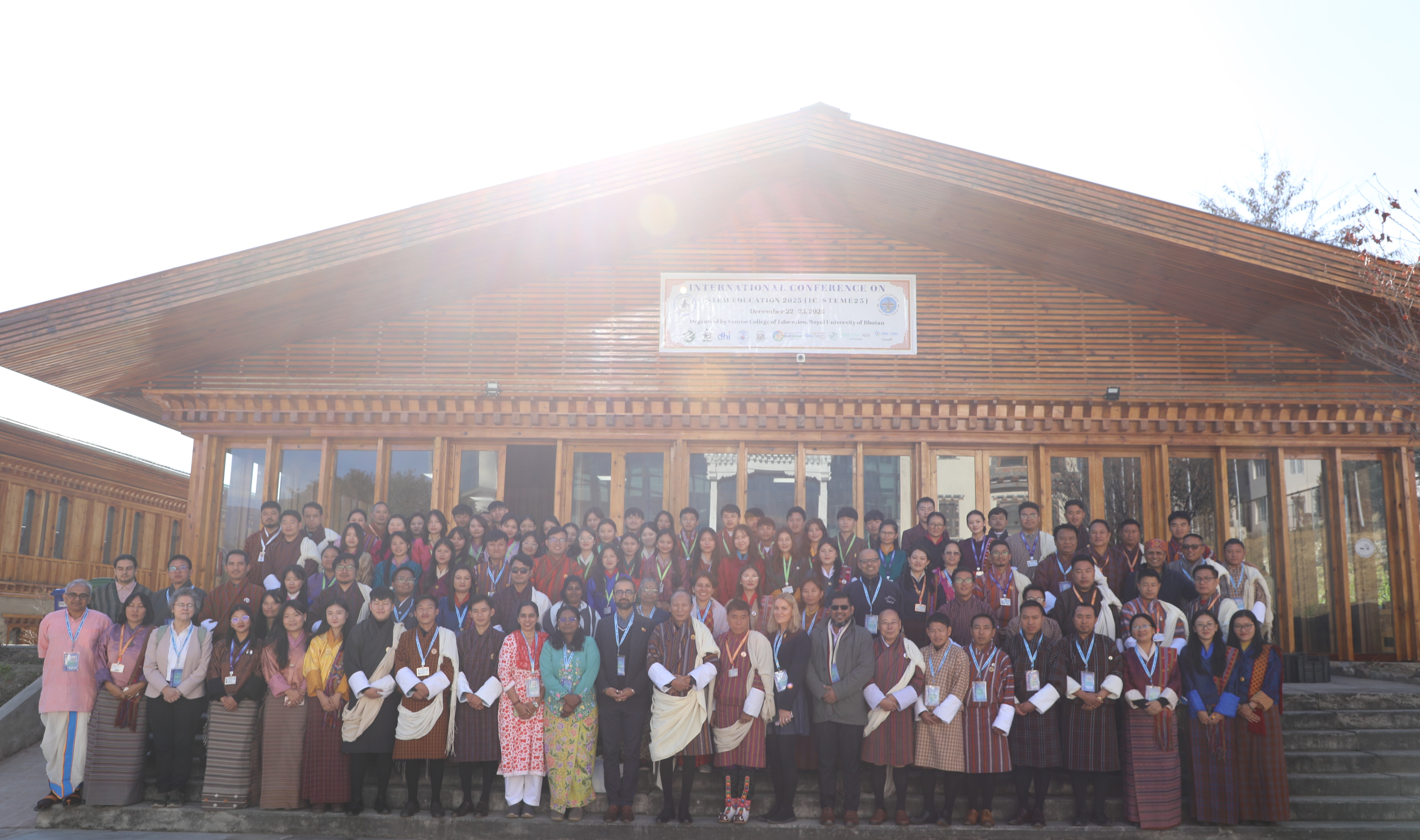
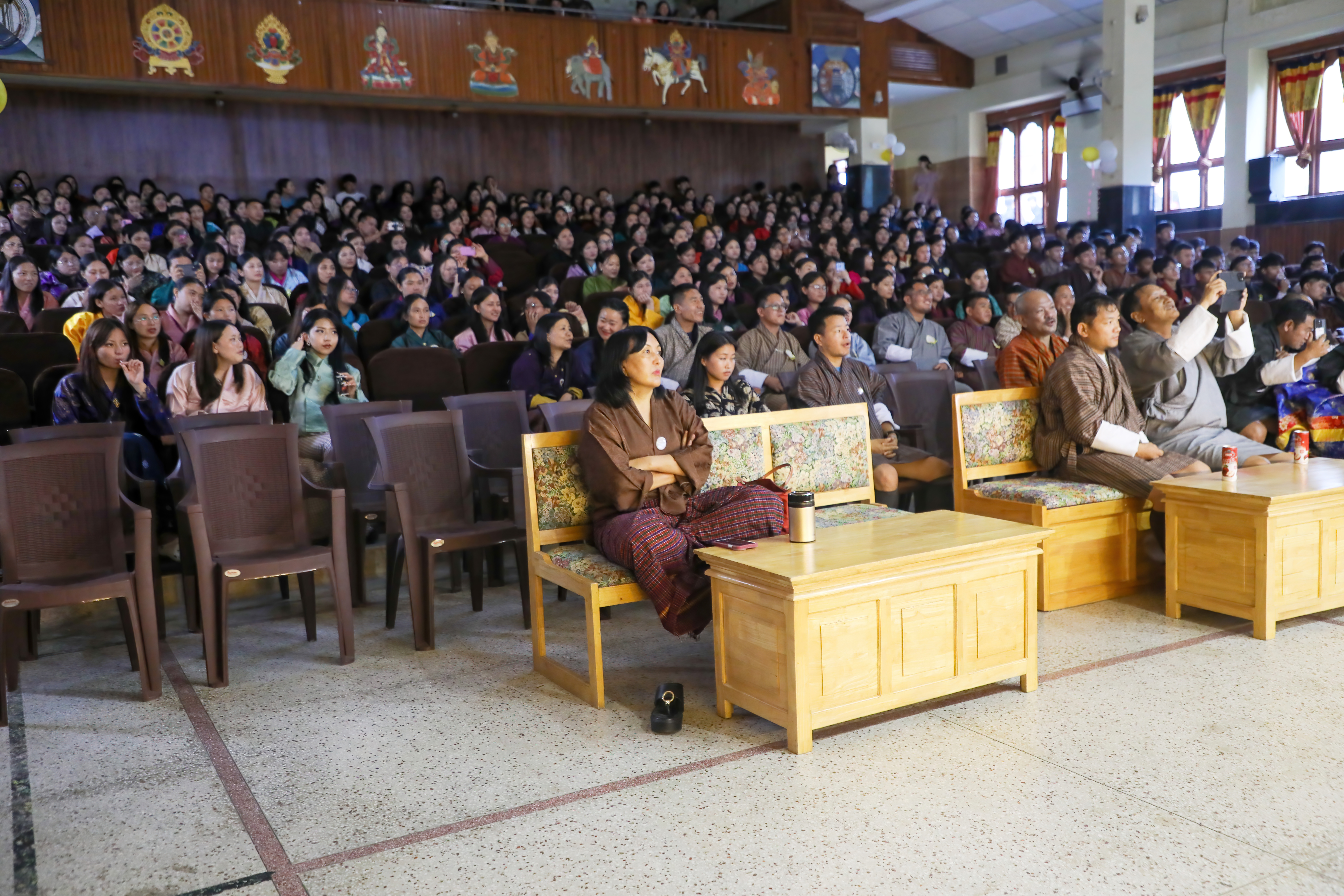
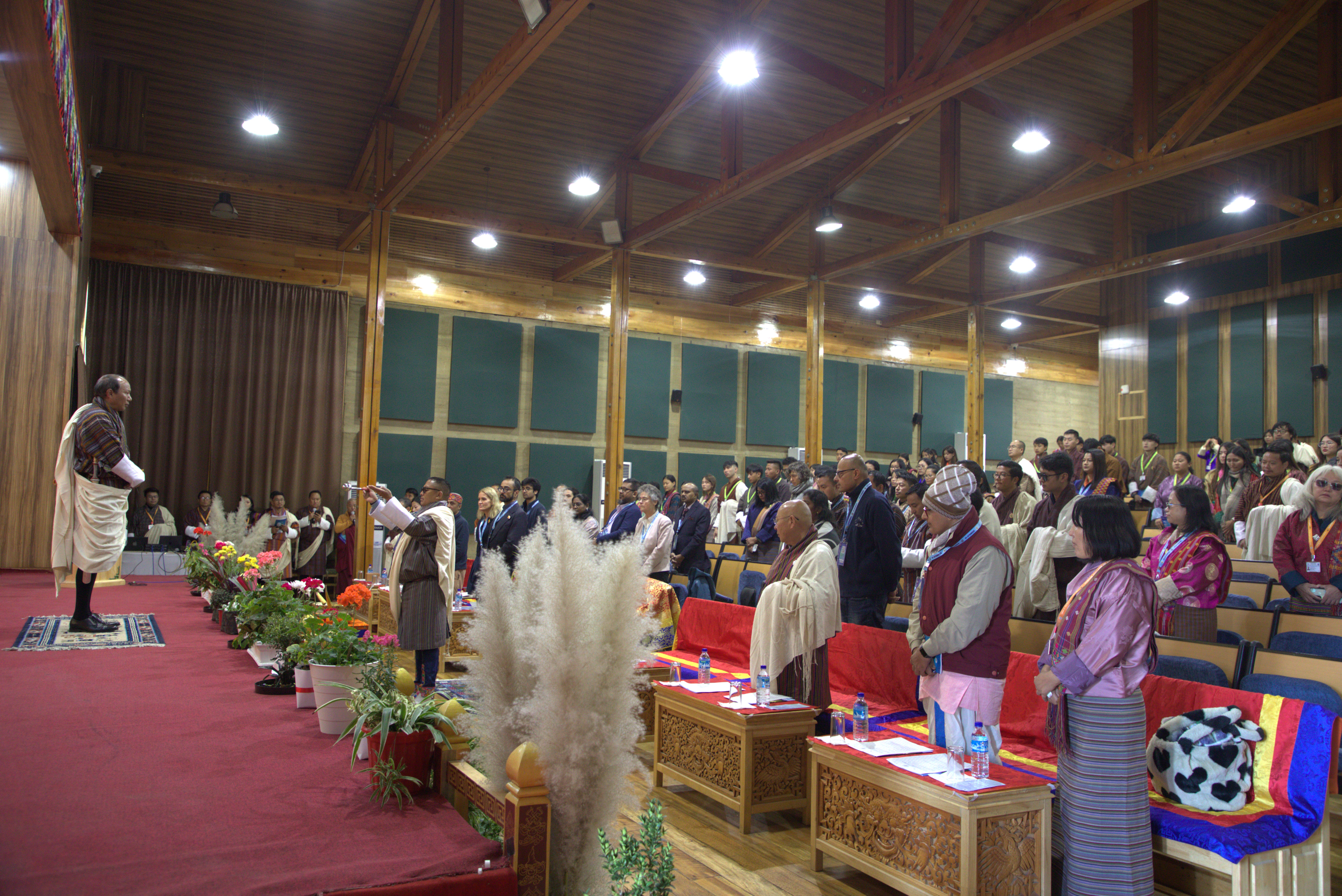
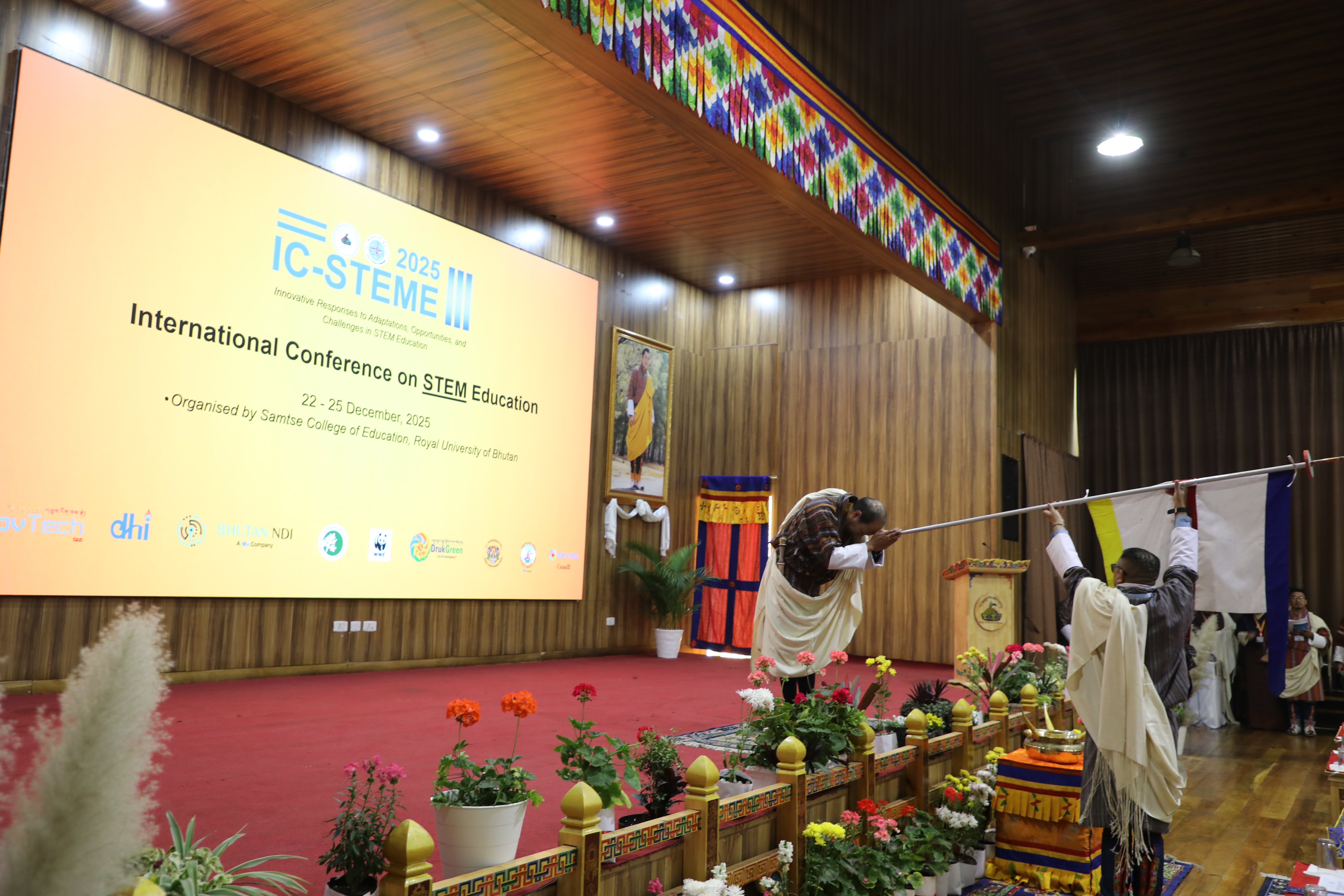
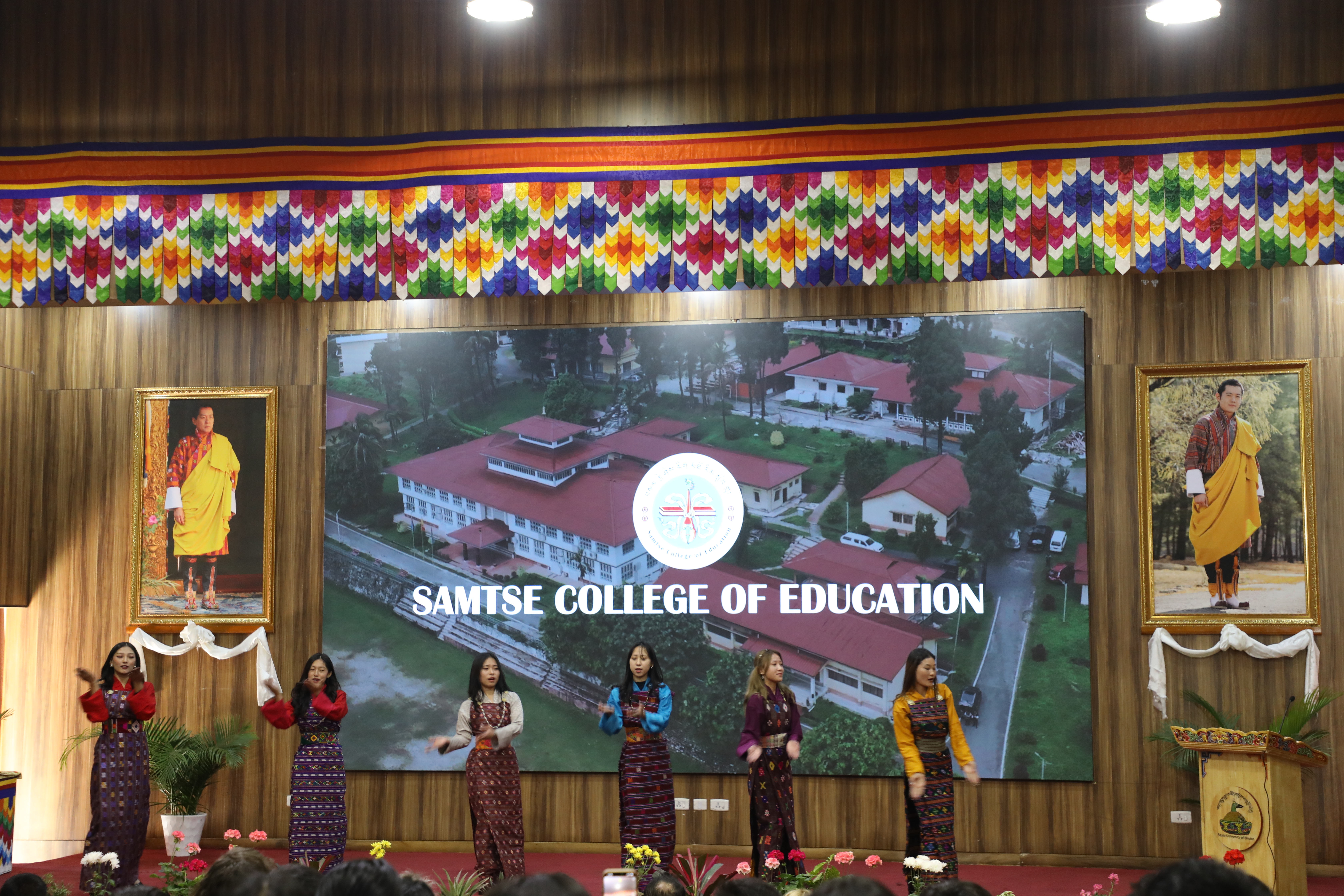
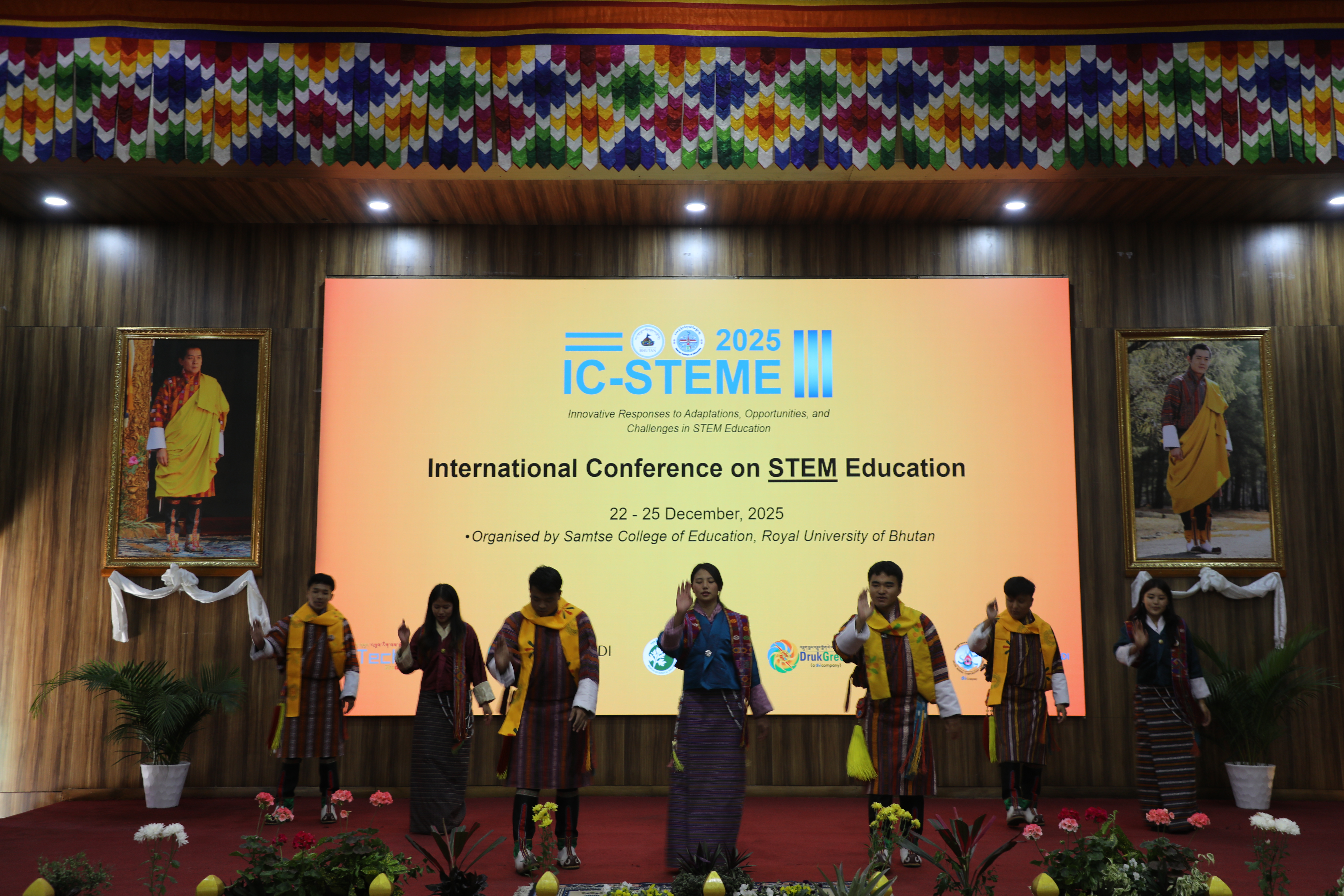
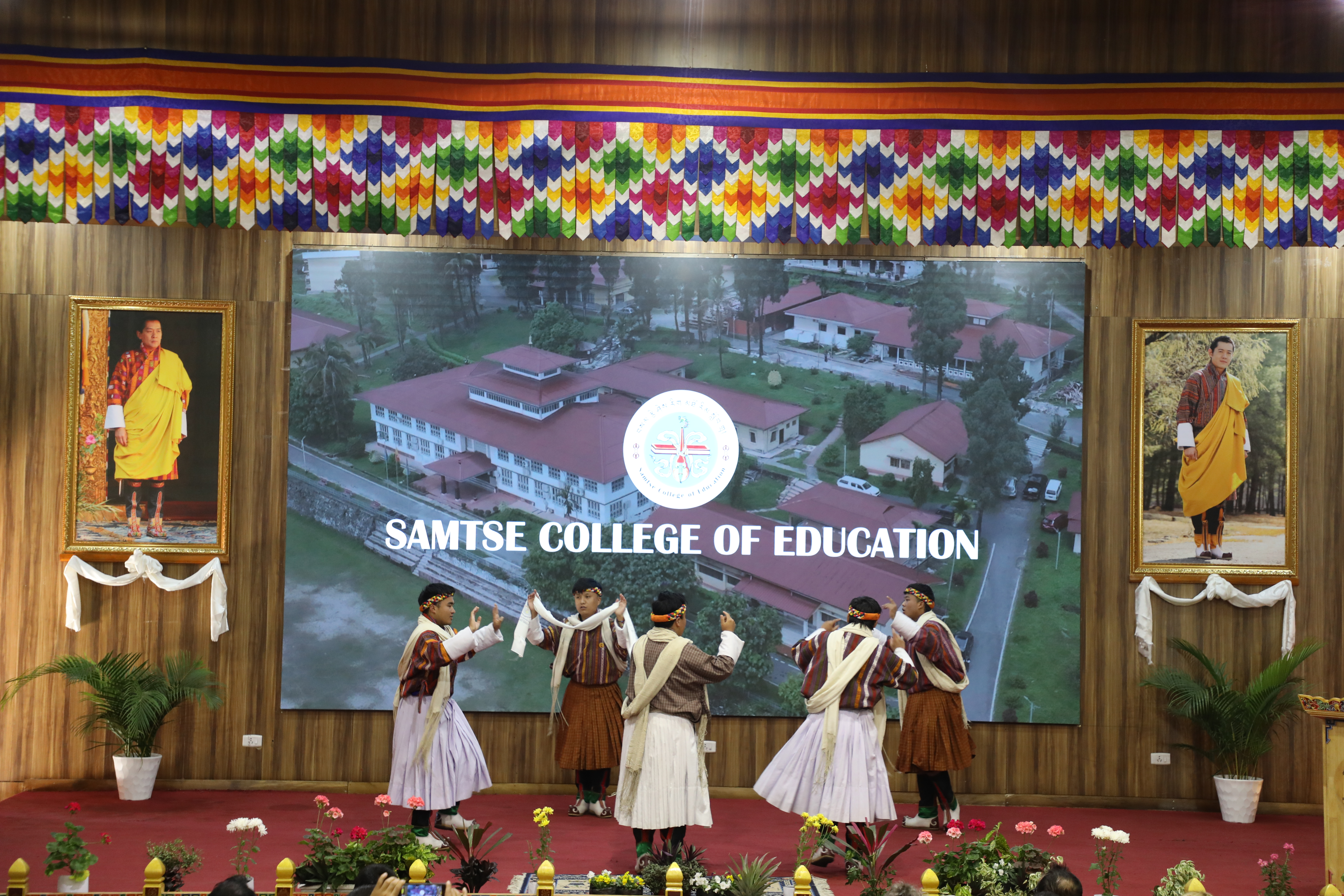
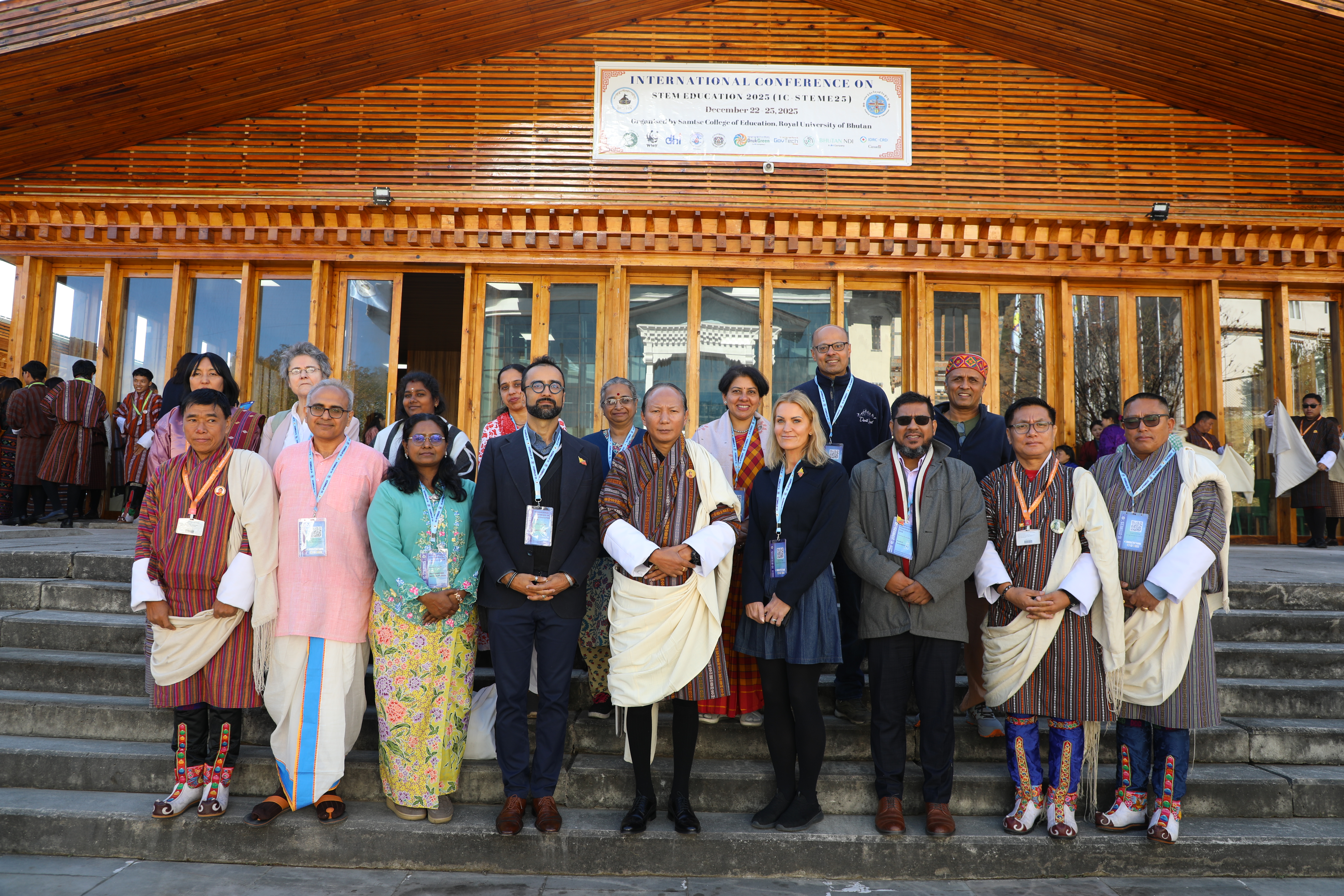
The International Conference on STEM Education (IC-STEME 2025), organized by Samtse College of Education (SCE), officially commenced today at the OVC, RUB Hall. The conference marks the first of a four-day event from 22 to 25 December 2025 and was inaugurated by Dasho Chewang Rinzin, Vice Chancellor of the Royal University of Bhutan, who presided as the Chief Guest. The event continues tomorrow, bringing together educators, researchers, and policymakers to discuss innovations and challenges in STEM education in Bhutan.
As Bhutan’s only teacher education institution mandated to prepare STEM teachers for the entire secondary school system in Bhutan, SCE regards the conference as a profound milestone in the country’s academic calendar. Highlighting the College’s commitment to transformative education, SCE President Dr Sonam Rinchen, said “Samtse College of Education must do more than offer degrees; it must drive ideas, solutions, and innovation to shape Bhutan’s educational and national future,”
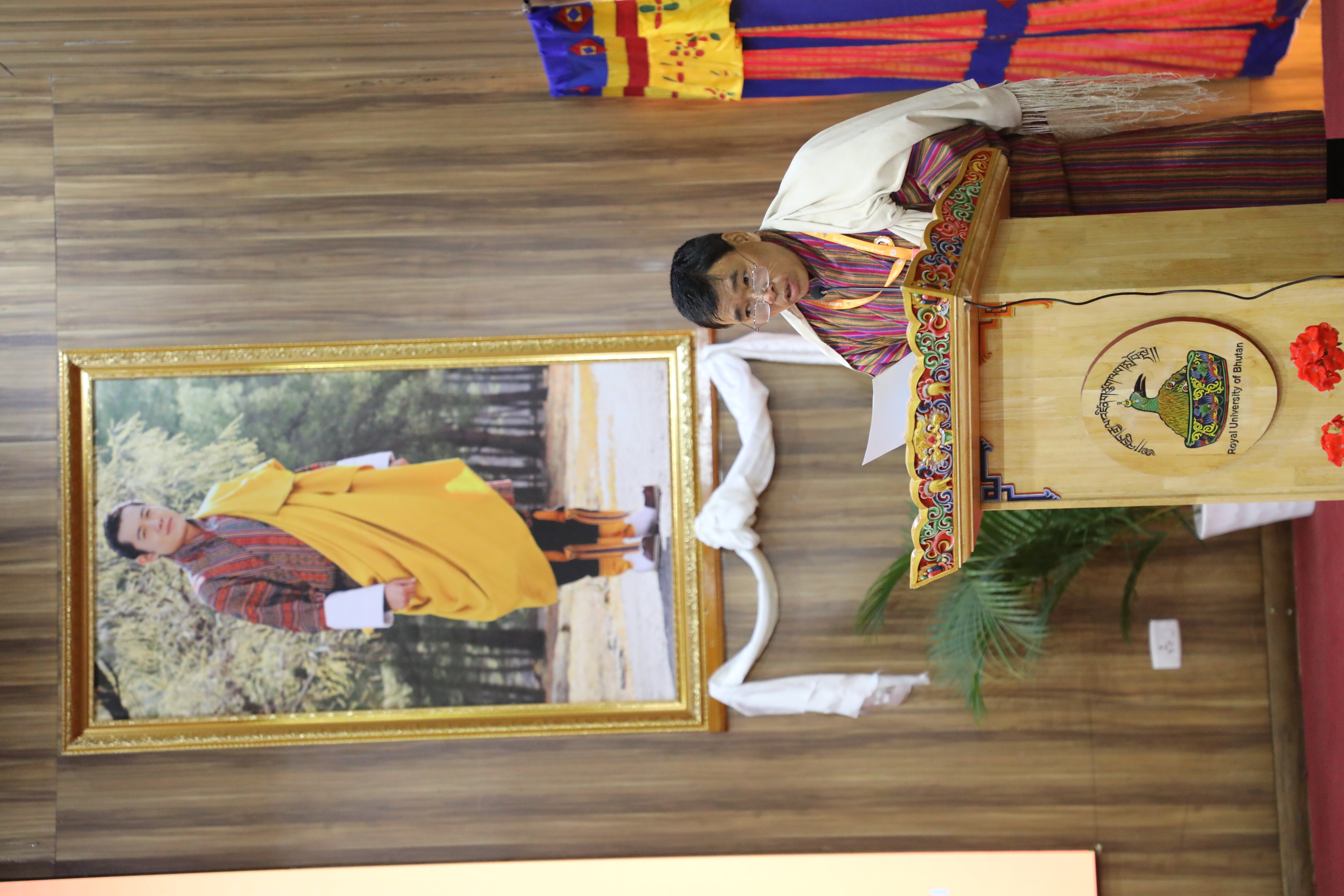
Dasho Chewang Rinzin, Vice Chancellor of the Royal University of Bhutan, in his opening remarks, emphasized the critical role of STEM education in preparing a future-ready workforce and responsible citizens. He highlighted the need to place students at the center of learning, fostering curiosity, critical thinking, and problem-solving, while connecting classroom knowledge to real-world challenges. He underscored SCE’s pivotal role in preparing competent and values-driven STEM teachers and encouraged participants to engage, share ideas, and collaborate to strengthen STEM education in Bhutan and beyond.
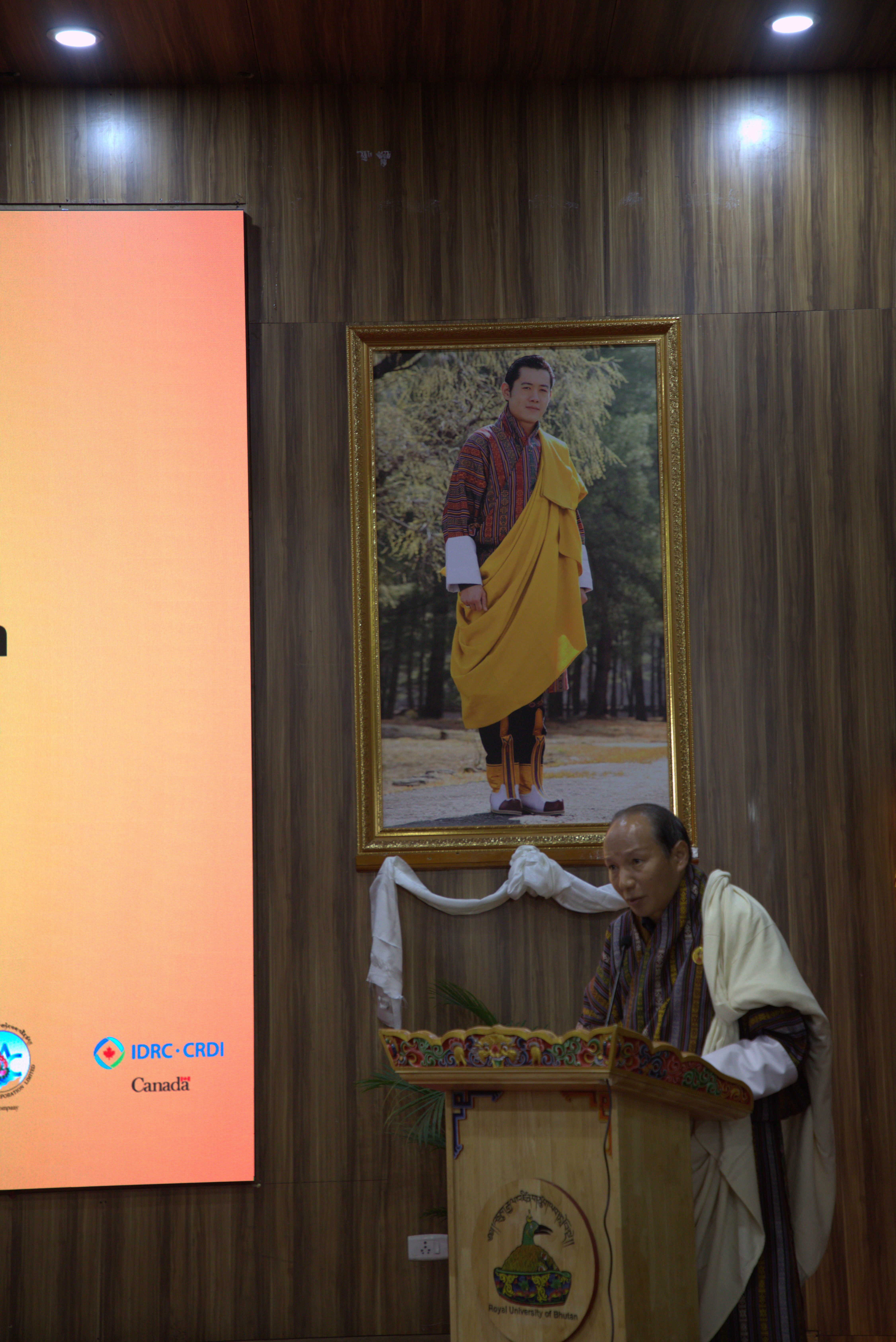
In his keynote address, Dr. Nawang Norbu, Director of the Bhutan Ecological Society, highlighted that the world is changing rapidly, with technological advancements transforming fields from computing to health, yet many basic human problems, such as hunger, environmental degradation, and social inequalities, remain unresolved. He noted that Bhutan still has much catching up to do, not only in terms of technology but also in terms of capacity. Dr. Norbu emphasized that education cannot focus solely on STEM; it must be combined with an understanding of human psychology and guided by values of empathy, which are critical in preparing learners to navigate complexity and build a better world.
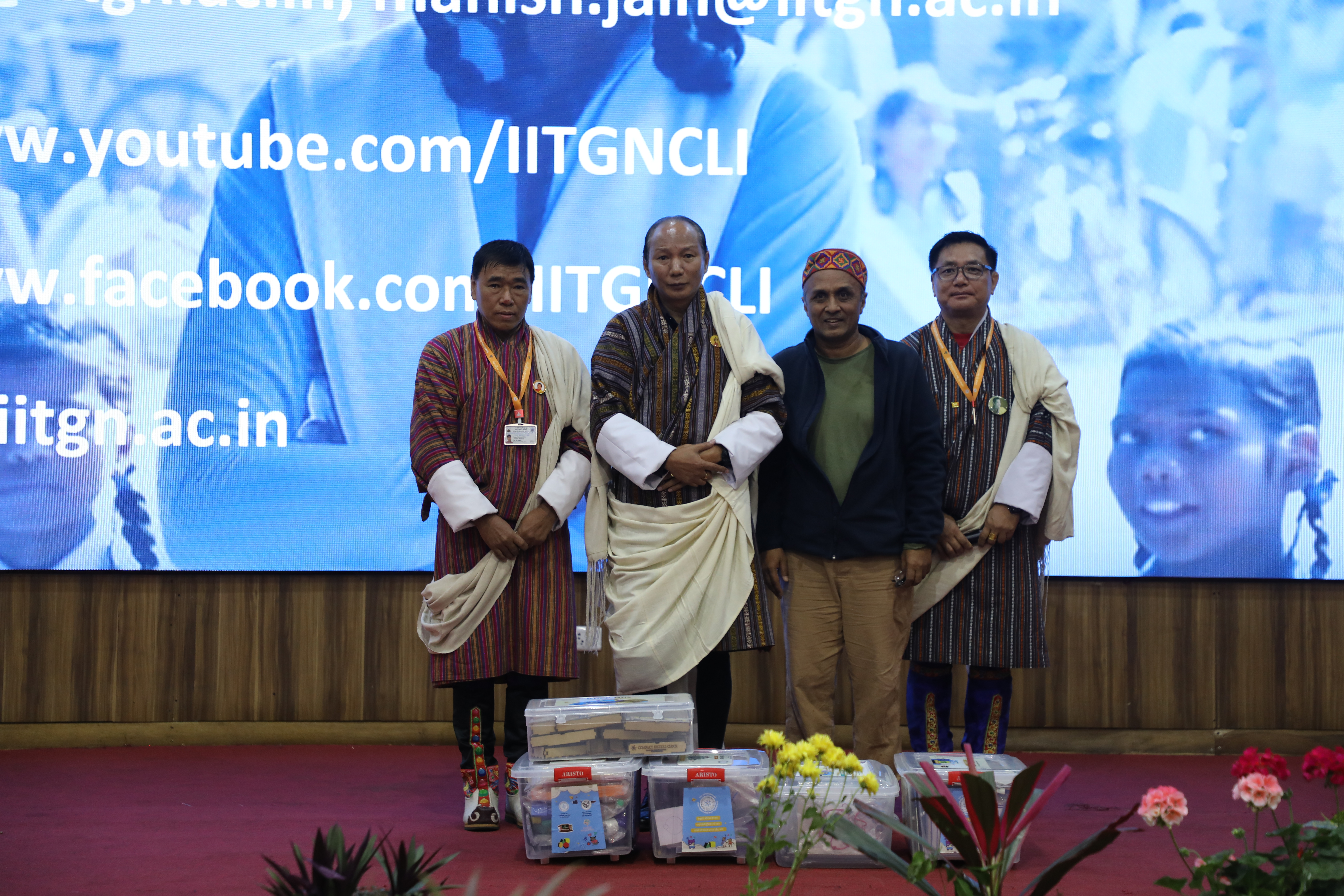
Manish Jain of IIT Gandhinagar, in his keynote address emphasized that schooling often loses sight of the child, prioritizing attendance and curriculum over students’ needs. The curriculum should elevate curiosity, creativity, and real-world understanding. Engagement and hands-on activities keep students interested, maintain attendance, and bring joy to their otherwise burdensome lives. Projects that connect classroom learning to the world, he noted, foster meaningful engagement and deeper understanding. Manish Jain also donated learning and teaching materials to SCE to showcase student-led innovations using local resources.
Held under the theme “Innovative Responses to Adaptations, Opportunities, and Challenges in STEM Education,” IC-STEME 2025 addresses the evolving demands of 21st-century education, responding to rapid technological advancement, environmental change, and shifting societal needs. Over the next two days, participants will engage in dialogue across five key thematic areas: teaching, learning, and pedagogy in STEM; technology and digital innovation; equity, inclusion, and access in STEM education; teacher capacity and professional growth; and policy, assessment, and global perspectives.
The conference featured 12 presentations delivered through three parallel sessions, showcasing diverse and innovative approaches to STEM education by national and international presenters from countries such as India, Bangladesh, the USA, Belgium, Norway, and Malaysia. Group 1 highlighted presentations by Karen François on 25 years of STEM policy in Europe, Sonam Zangmo on enhancing Grade 10 biology learning through hands-on activities, Norbu Wangdi on technology use in Bhutanese secondary science classrooms and Sanjeev Ranganathan on addressing ethical needs in higher education through the design and implementation of a bachelor programme in rural India. Group 2 featured Saranya Barathi on values-driven STREAM education in rural Tamil Nadu, Pushpa Thantry on scaling mathematics teacher training through the Ganitha Andolana model, Sherab Tenzin on using the 7E learning cycle to enhance grade 12 students’ understanding of gene expression, and Sonam Choden on transforming organic chemistry education through a puzzle-based approach. Group 3 included Gomathi Shridhar presenting on formative assessment activities for chemistry classrooms, Pratiksha Rajadhyaksha on connecting chemistry labs to real-life learning experiences, Sushma Pradhan on integrating the CK-12 platform in Bhutanese STEM classrooms, and Tashi Dawa on using ChatGPT as an assessment tool, exploring its practices and limitations. These sessions emphasized hands-on learning, technology integration, pedagogy, and assessment practices, offering practical insights for enhancing STEM education in diverse contexts.
Three rapporteurs from the different groups presented the key ideas and discussions from their respective sessions, highlighting the main themes, insights, and practical implications of the conference presentations. In his closing remarks, DAA Kuenzang Gyeltshen reminded participants: “STEM is not merely about science, technology, engineering, and mathematics as disciplines, but about people, values, and the collective future we are shaping together” and ended with his hope that the conference serves as a catalyst for continued collaboration, research, and action within our institutions, across borders, and in service of our learners.
The conference is expected to continue tomorrow, featuring more presentations, interactive sessions, and opportunities for participants to engage, share ideas, and explore innovations in STEM education.
SCE expresses its sincere gratitude to its partners and sponsors, including IDRC, GovTech Agency, Bhutan Ecological Society (BES), World Wildlife Fund (WWF), Druk Holding and Investments (DHI), Druk Green Power Corporation Limited (DGPC), Penden Cement Authority Limited, State Mining Corporation Limited, and Bhutan NDI, for their generous support in making this conference possible.

You may also like
Visit of the Hon’ble Minister of Industry, Commerce and Employment to SCE
SCE Hosts Joint International Research Conference 2026