From Student to Teacher: Preparing for a Professional Journey
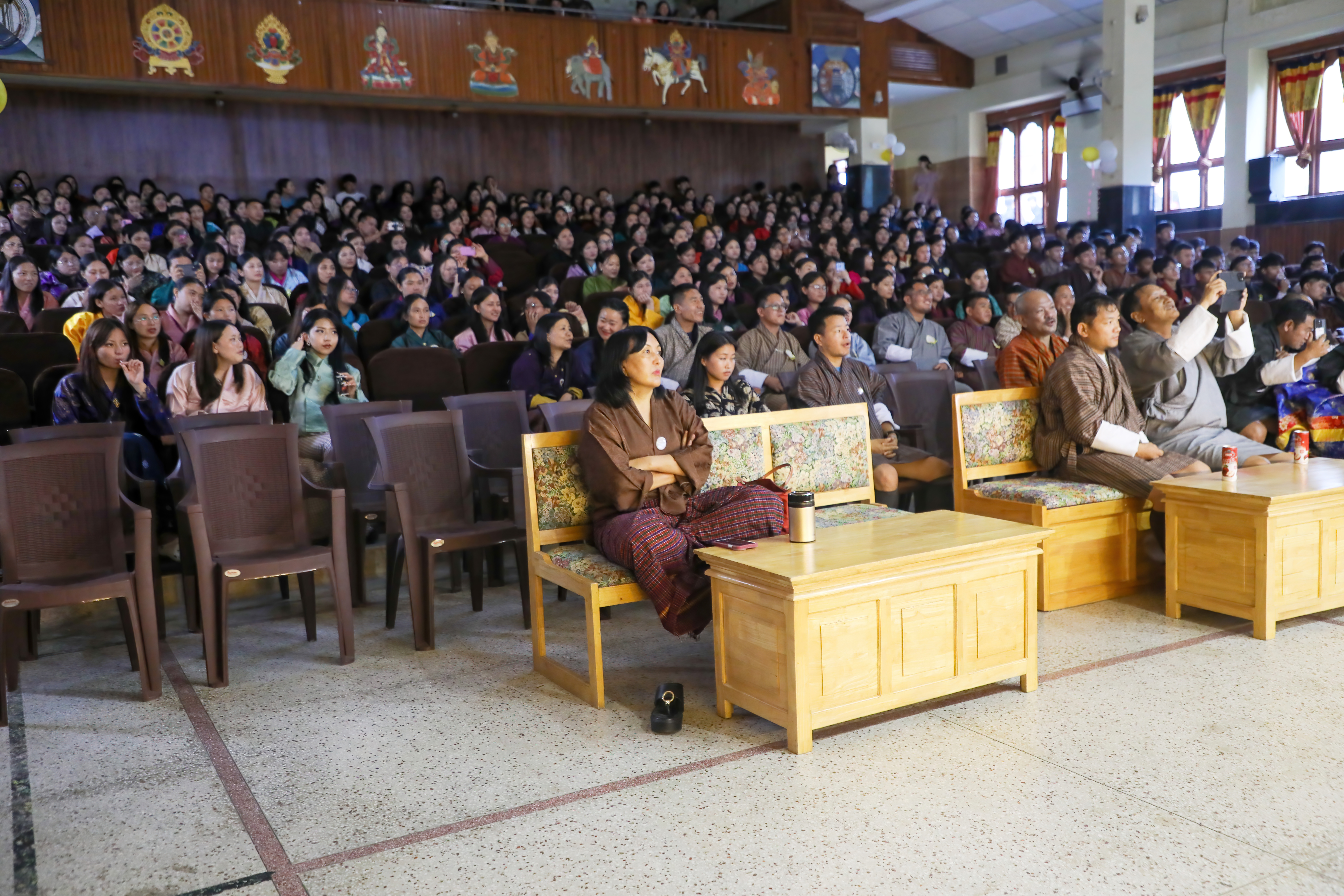
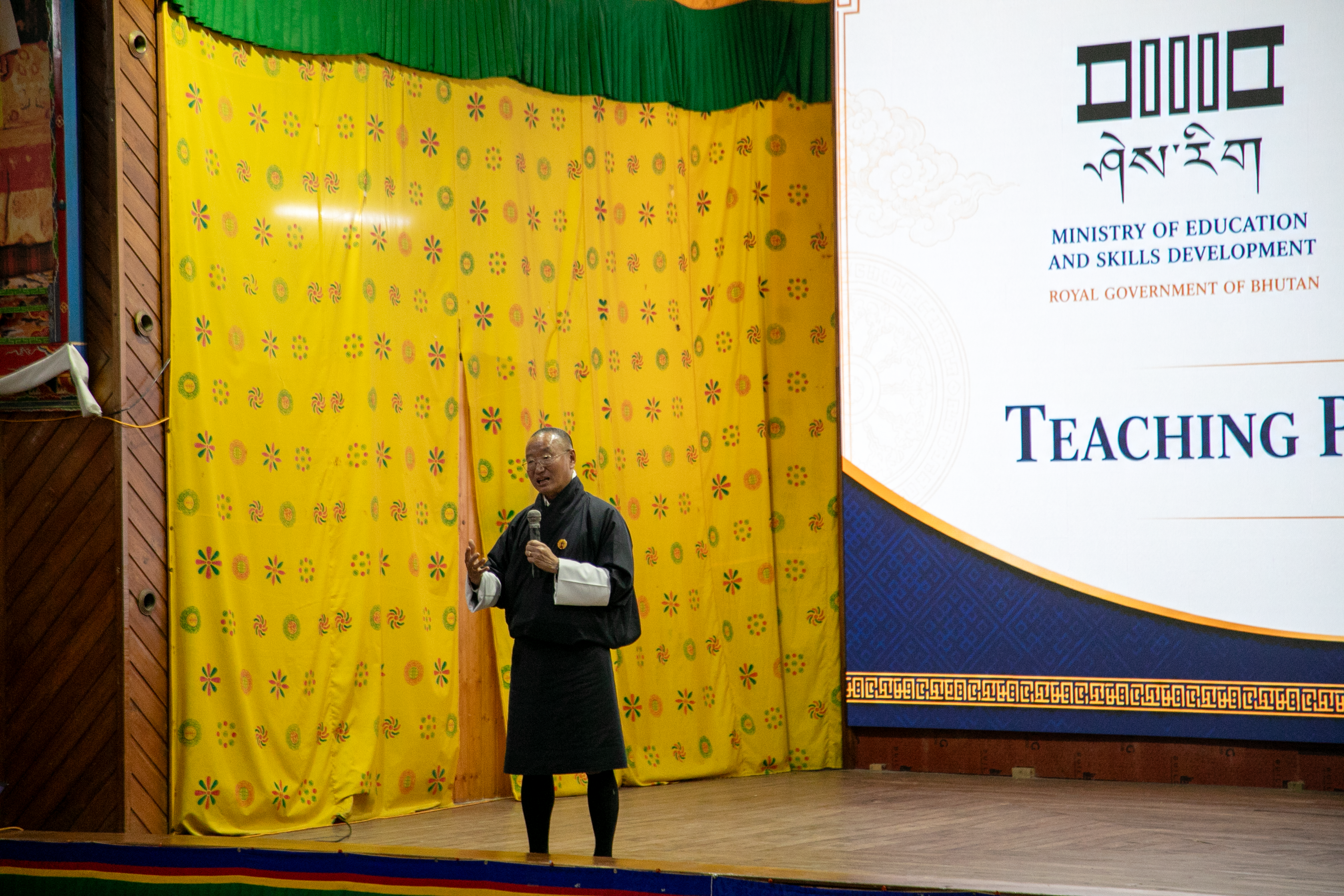
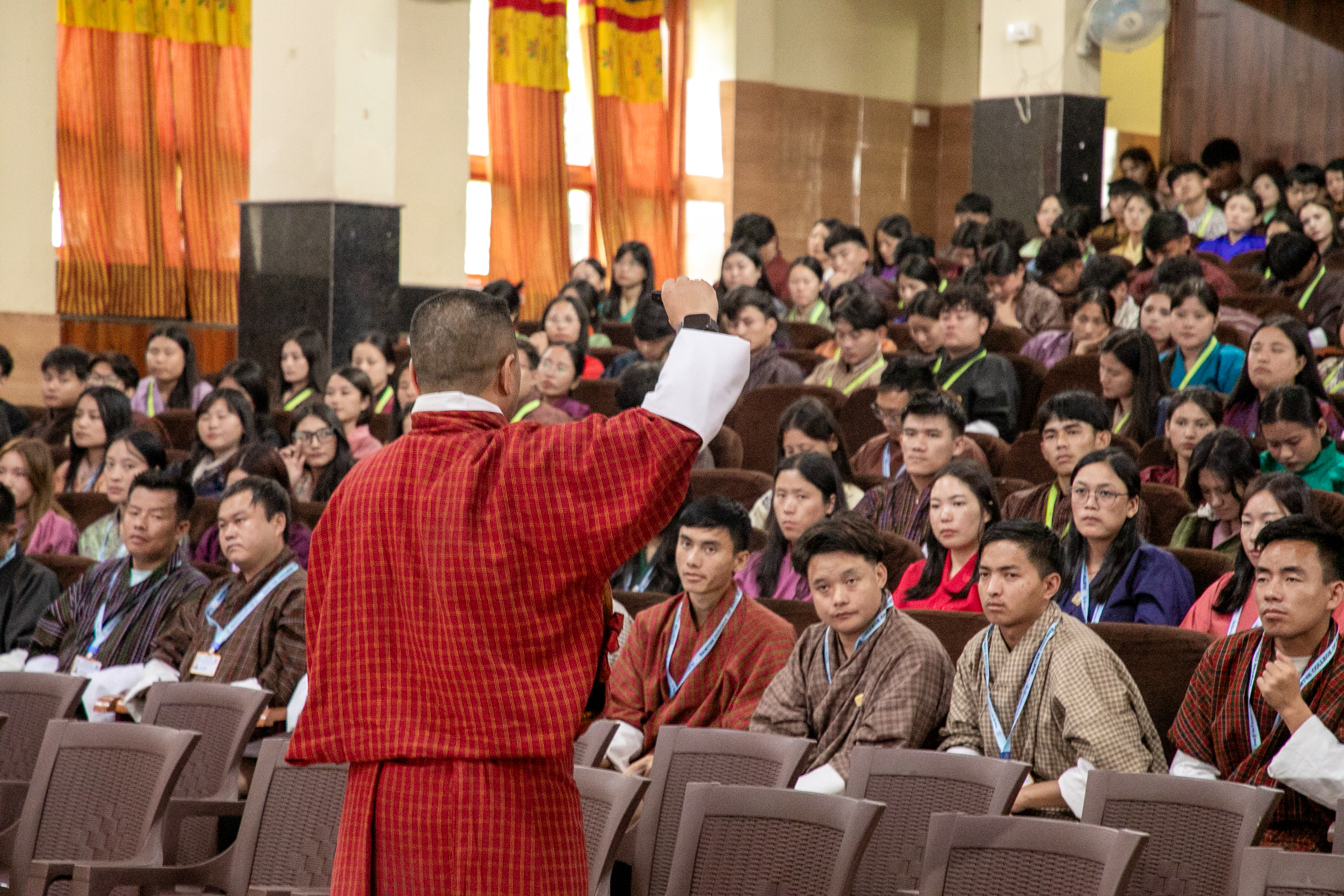
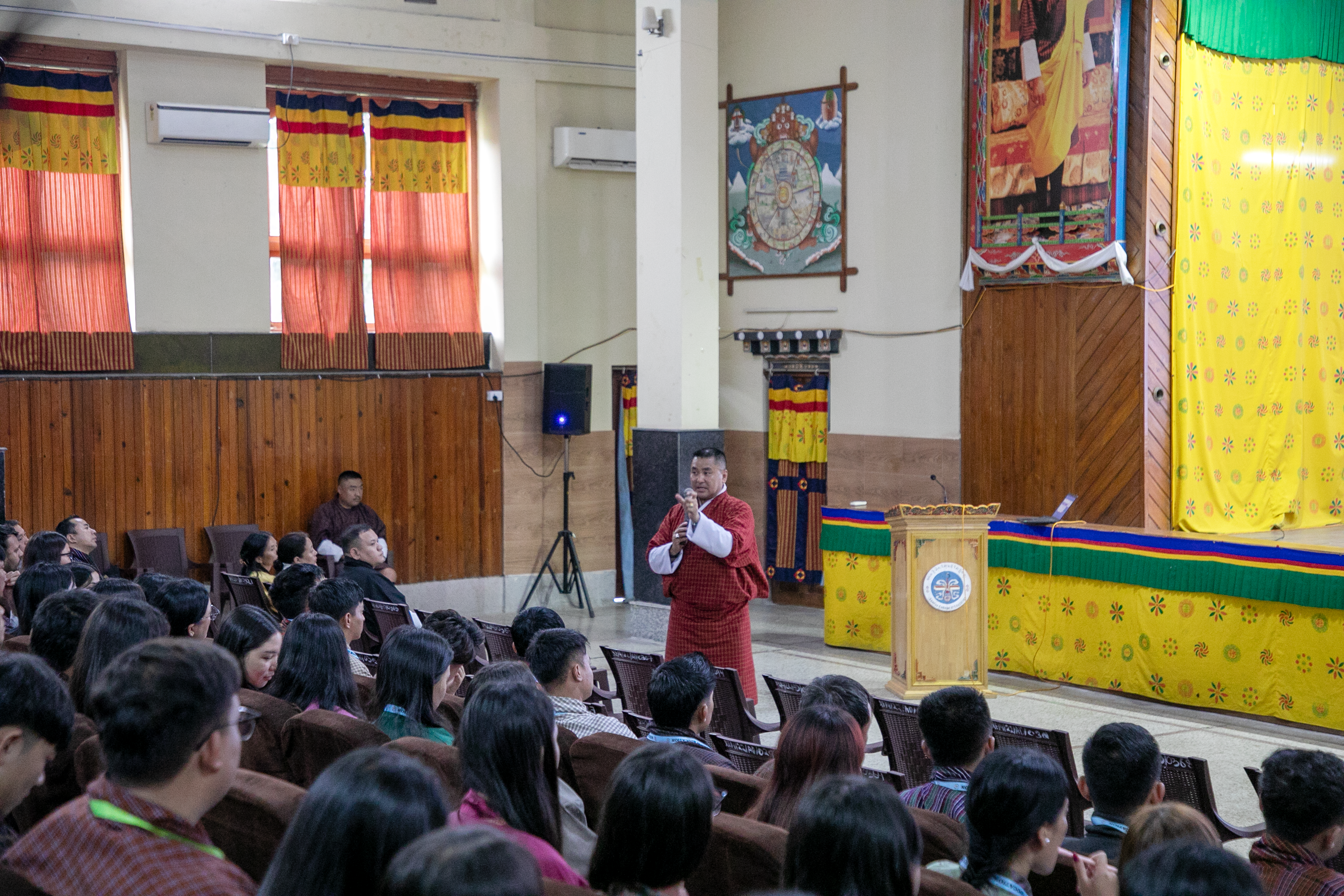
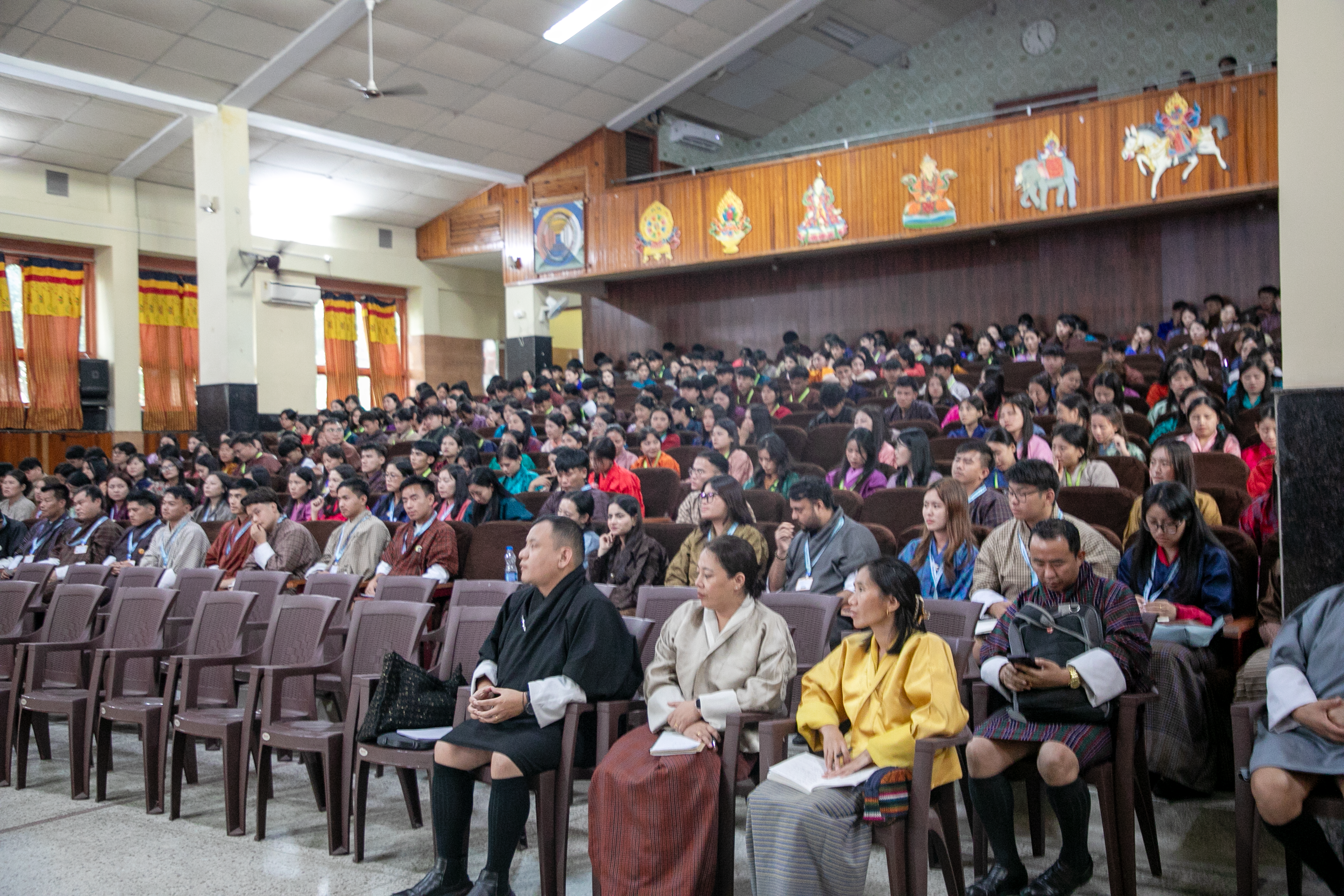
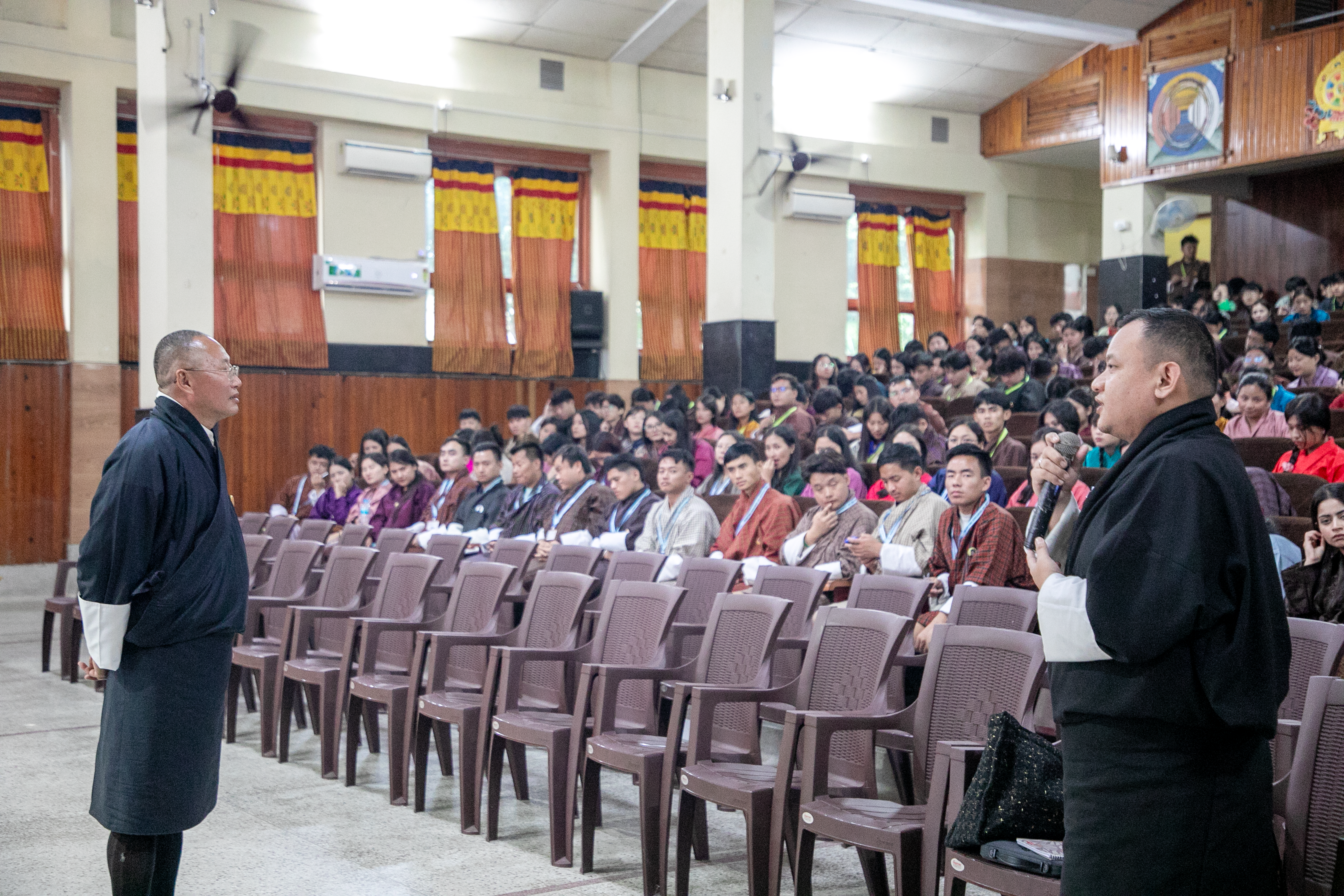
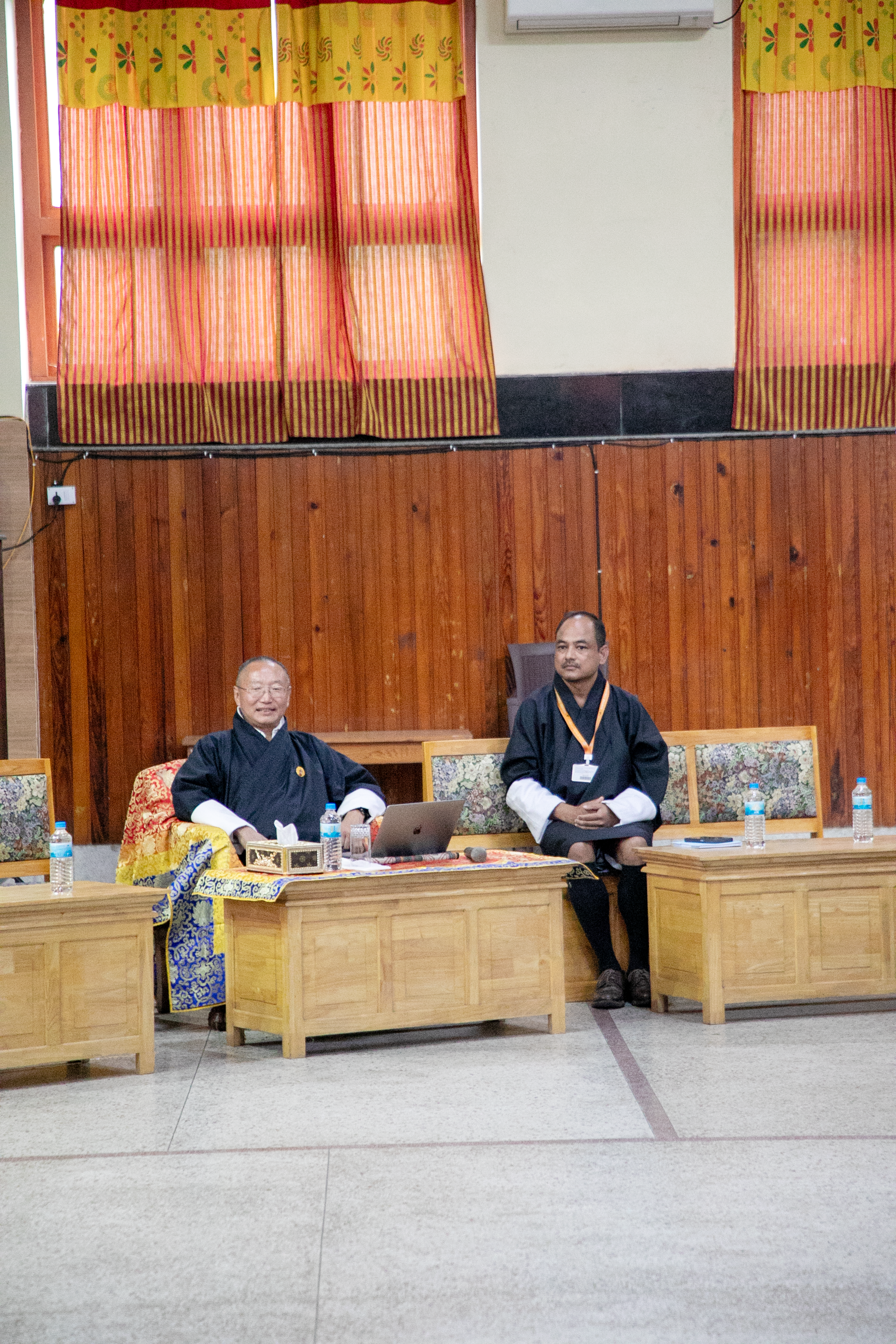
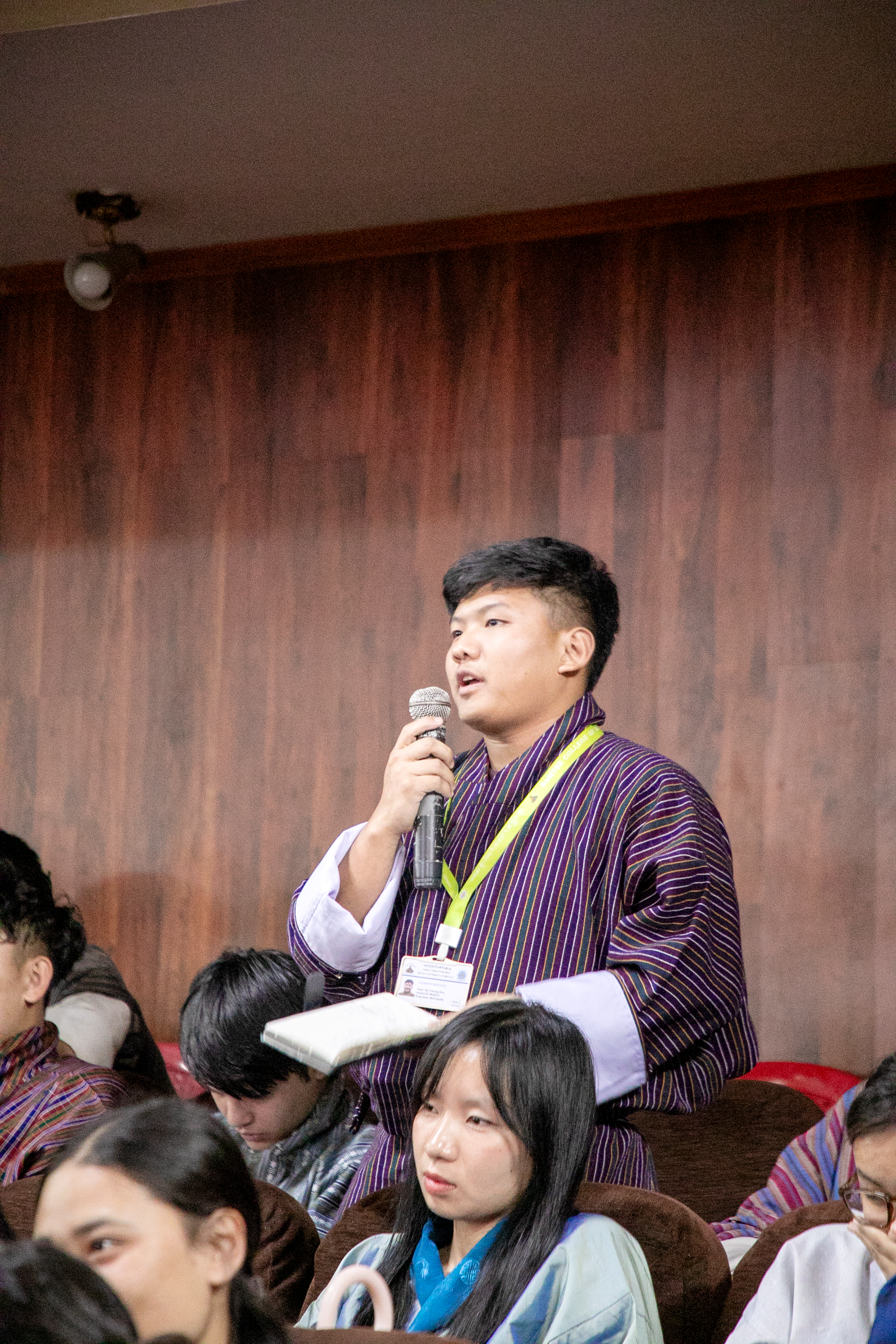
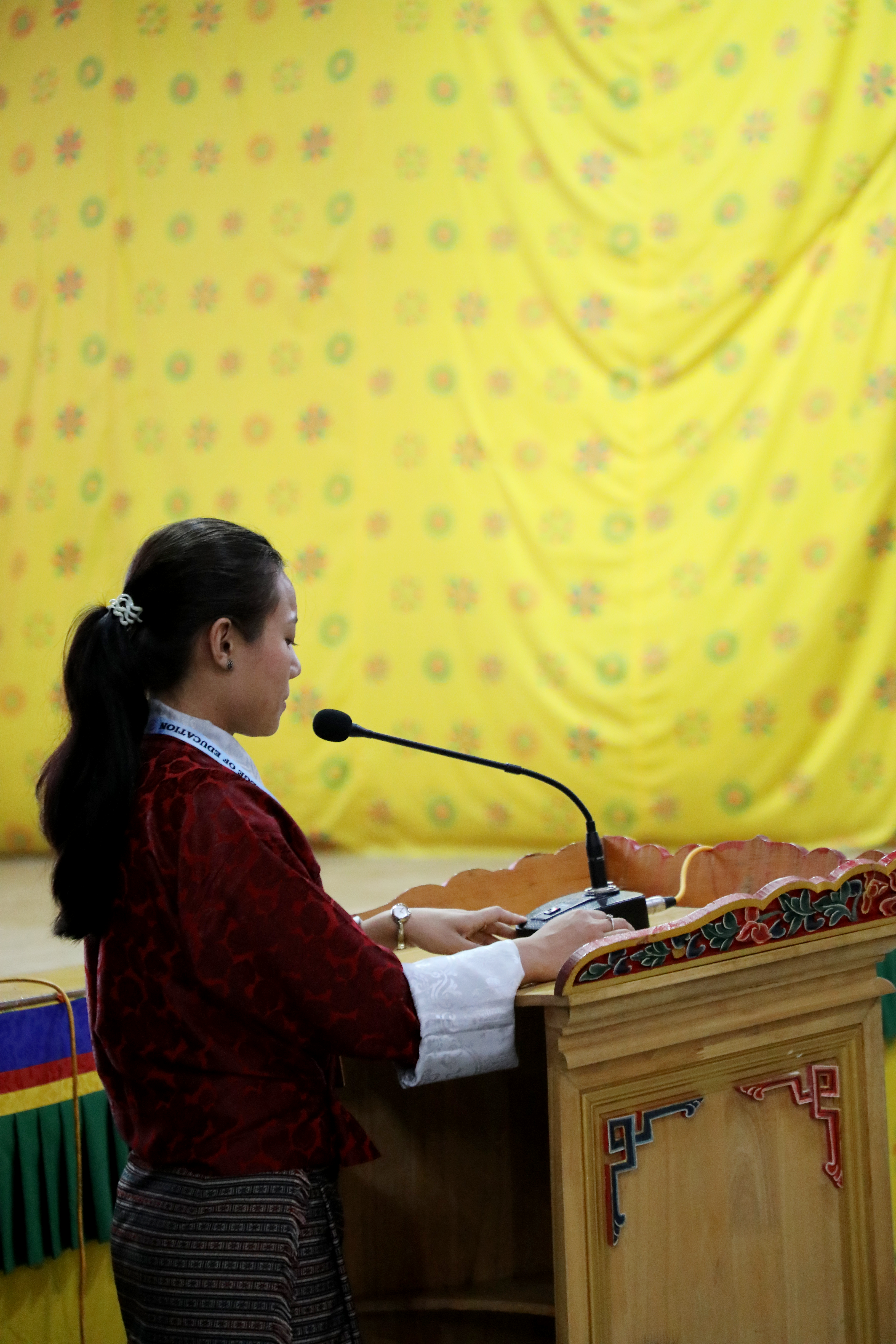
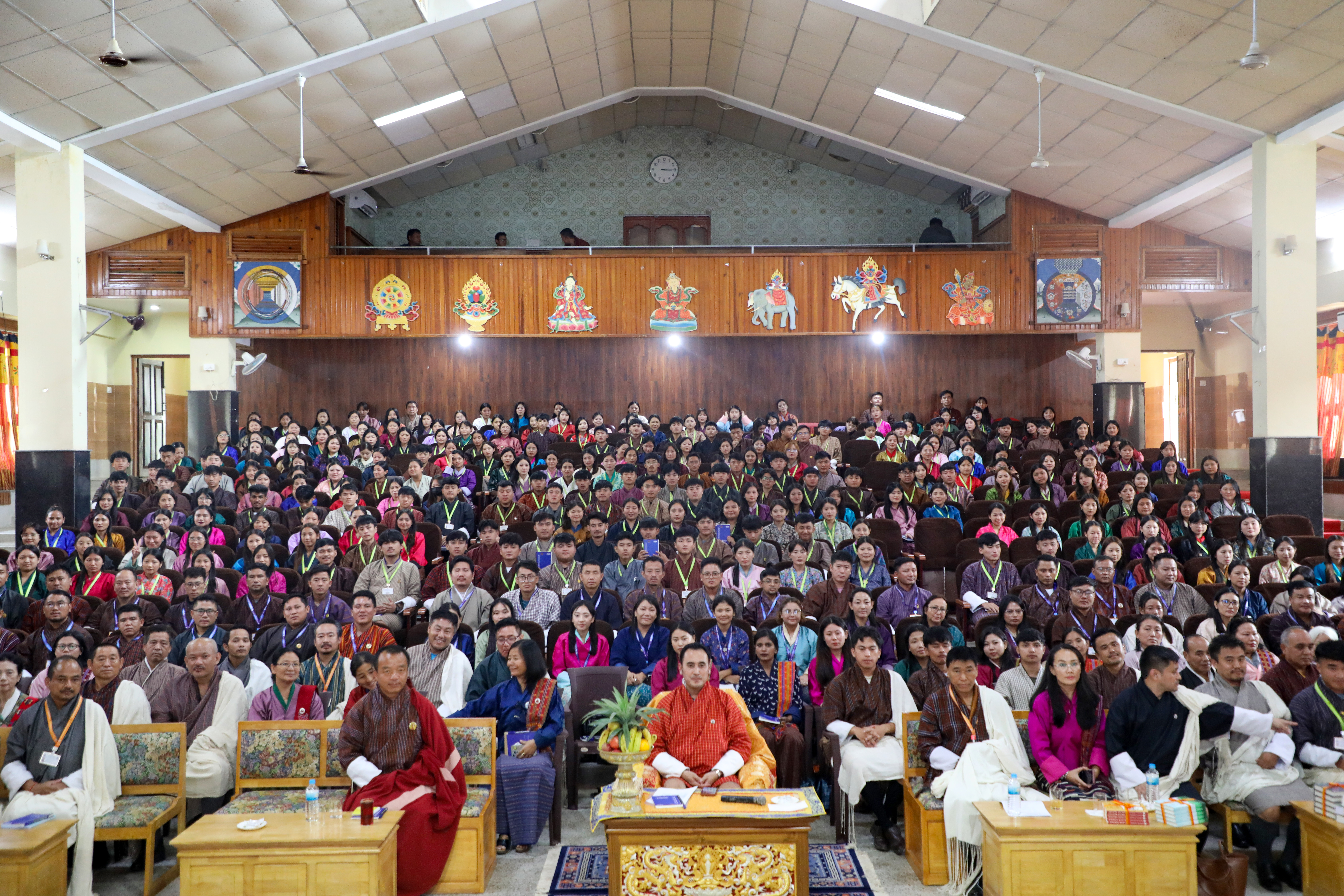
On 29 September 2026, an orientation session on the teaching profession was held at the Samtse College of Education auditorium for Postgraduate Diploma in Education (PgDE) and Bachelor of Education (B.Ed) III and IV students. Organised by officials from the Bhutan Qualification and Professional Certification Authority (BQPCA), Ministry of Education and Skills Development, the session opened with remarks by Director Dasho Dr Ugyen Tshewang, followed by a presentation by Mr Tashi. It focused on preparing future teachers for the professional responsibilities and expectations of the teaching profession.
Dasho Dr. Ugyen Tshewang highlighted the vital role teacher’s play in shaping learners and society. He emphasised that teaching extends beyond earning a degree and securing employment; it demands continuous growth, responsibility, integrity and commitment.
A key message was the need to shift from simply “getting a teaching job” to “becoming a teaching professional”. This requires more than academic qualifications and employment, encompassing professional competence, integrity, purposeful contribution and lifelong learning.
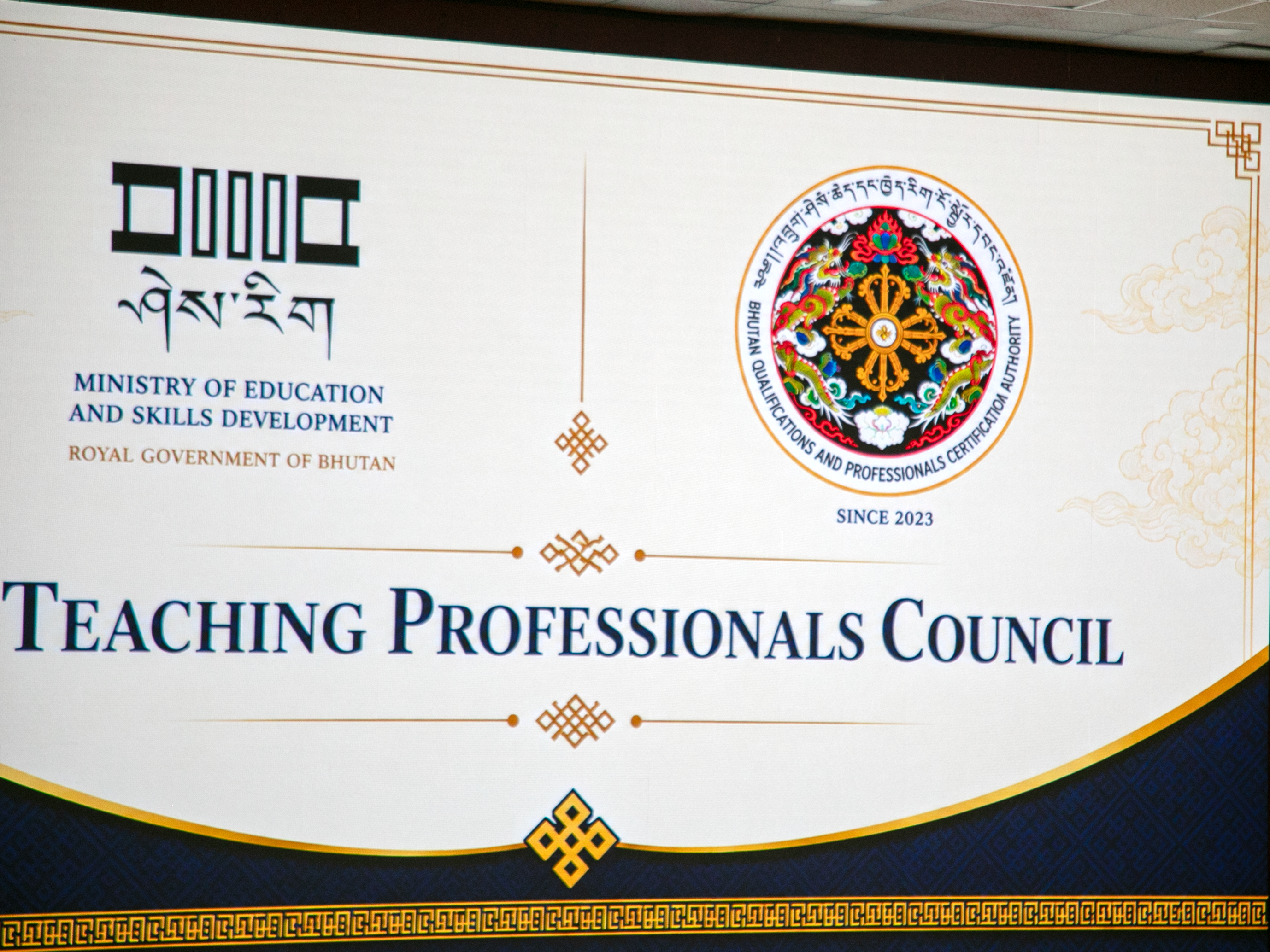
The session introduced the Teaching Professional Council (TPC) and its role in strengthening the profession through registration and certification, professional development, ethics and accountability, professional standards, recognition and wellbeing. These measures aim to support teachers while safeguarding professional integrity and public confidence.
Participants also learned about the Bhutan Professional Standards for Teachers (BPST), which outlines three key areas: professional knowledge, professional practice and professional engagement. These cover understanding learners, subjects, curricula, pedagogy and assessment; effective planning, teaching, assessment and reflection; and ethical conduct, collaboration, professional learning, family and community engagement, and contribution to the teaching profession.
Trainees were encouraged to document their professional development from the outset. Evid
ence of development may include practicum observations, lesson plans, feedback, coursework, assignments, reflective journals, workshops, teamwork, community engagement and professional conduct.
The presentation urged students to take practical steps towards professional readiness: familiarising themselves with the BPST, taking their teaching practicum seriously, documenting their progress, protecting their professional reputation and taking ownership of their learning. The National Teacher Entrance Examination (NTEE) was also introduced as part of the pathway into the profession.
Kinzang Lhaden, a PgDE student, described the session as informative and relevant, particularly in highlighting changes within the teaching profession under BQPCA. “As a PgDE student already under the RCSC, I found it useful to learn about the new BPST and the professional examinations and requirements for becoming a teacher, which I was not fully aware of before,” she said. She expressed hope that the changes would lead to a more organised and transparent system, particularly in teacher placement, professional development and career progression.
The session served as a reminder that trainees are not merely preparing to graduate but to enter a profession. It encouraged them to build the knowledge, skills, integrity and commitment needed from the beginning of their careers. Ultimately, the orientation underscored the importance of developing a professional, ethical and continually improving teaching workforce aligned with international standards.

You may also like
Visit of the Hon’ble Minister of Industry, Commerce and Employment to SCE
SCE Hosts Joint International Research Conference 2026