Dasho Vice Chancellor Engages SCE Community on Agency and the Future of Higher Education
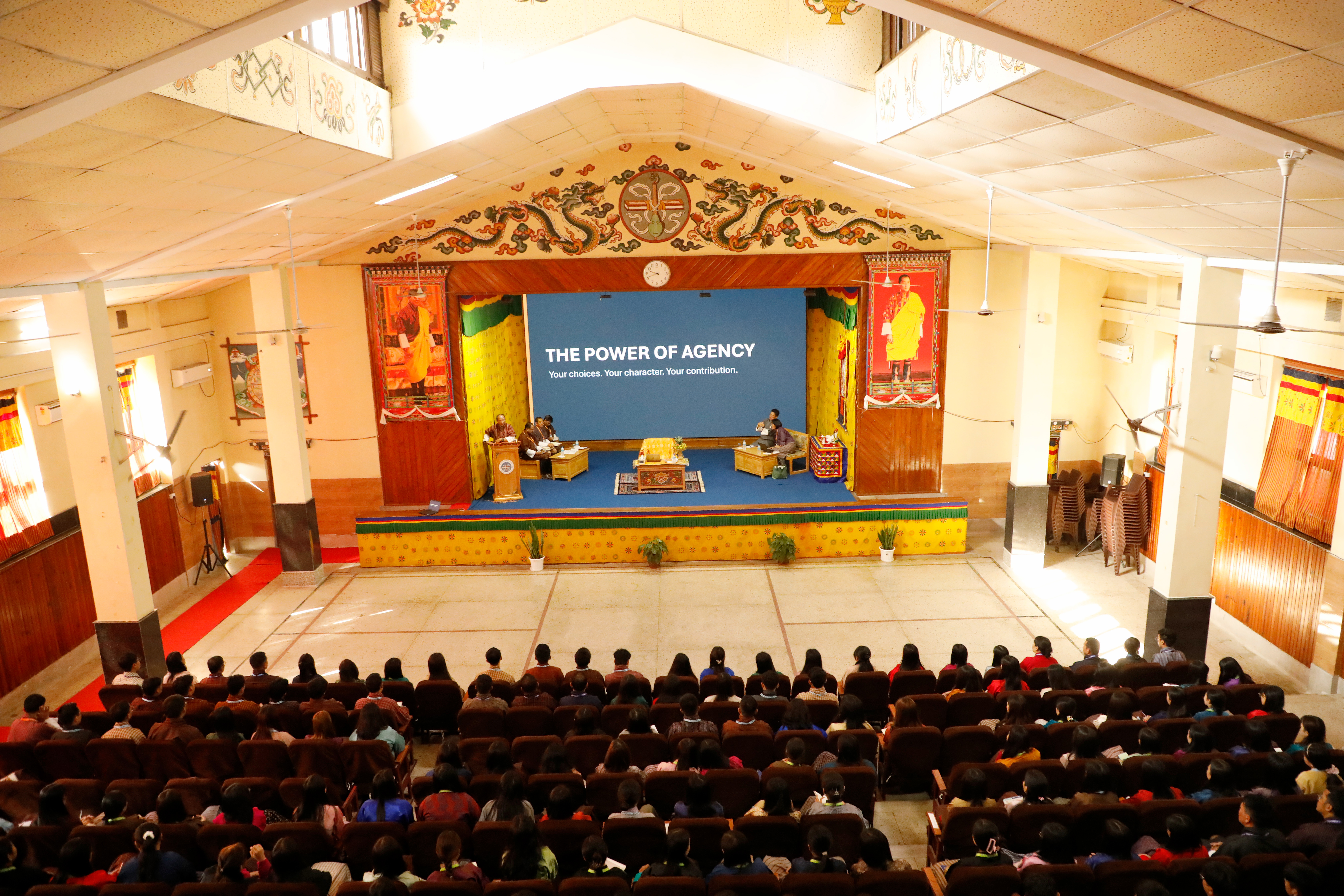
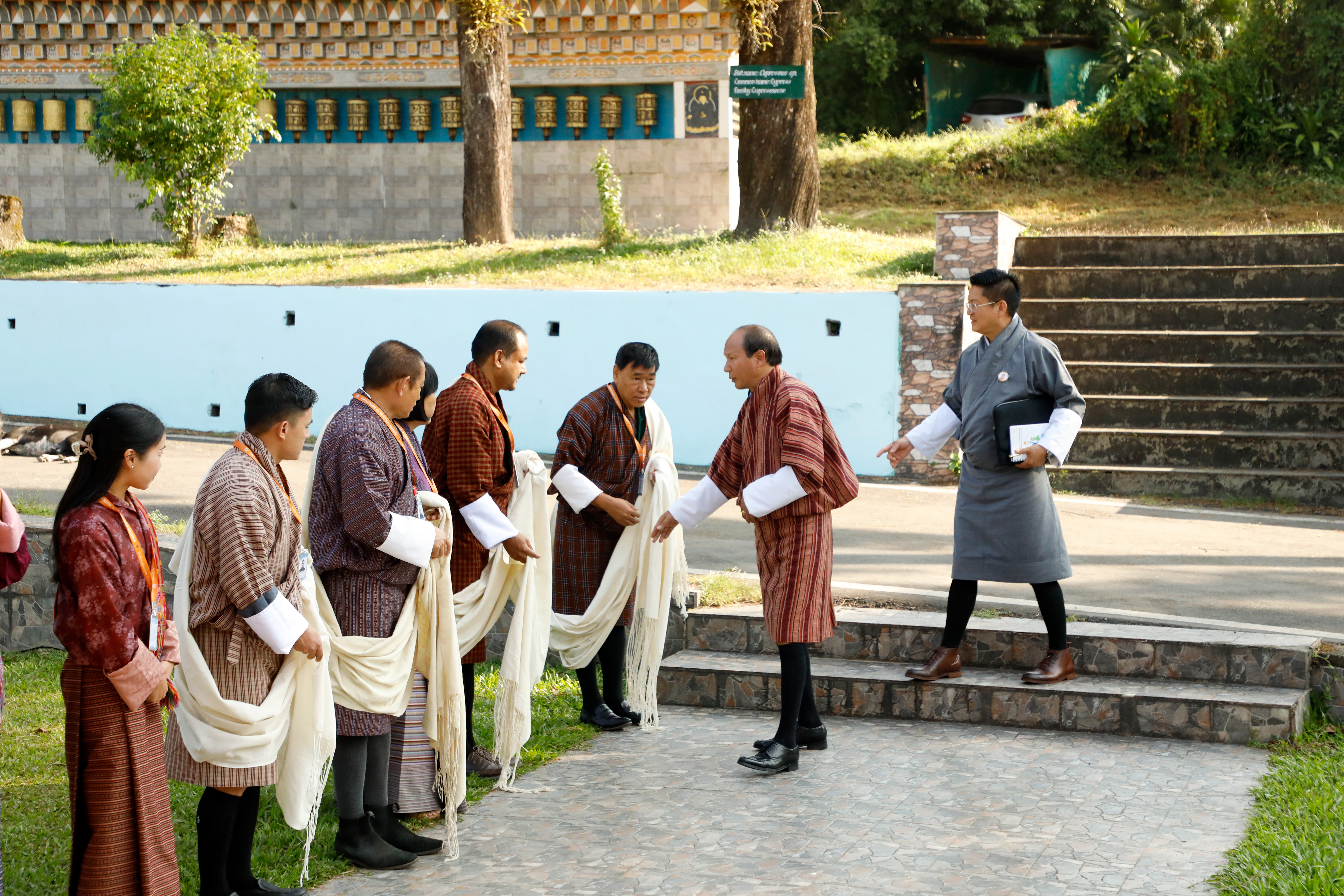
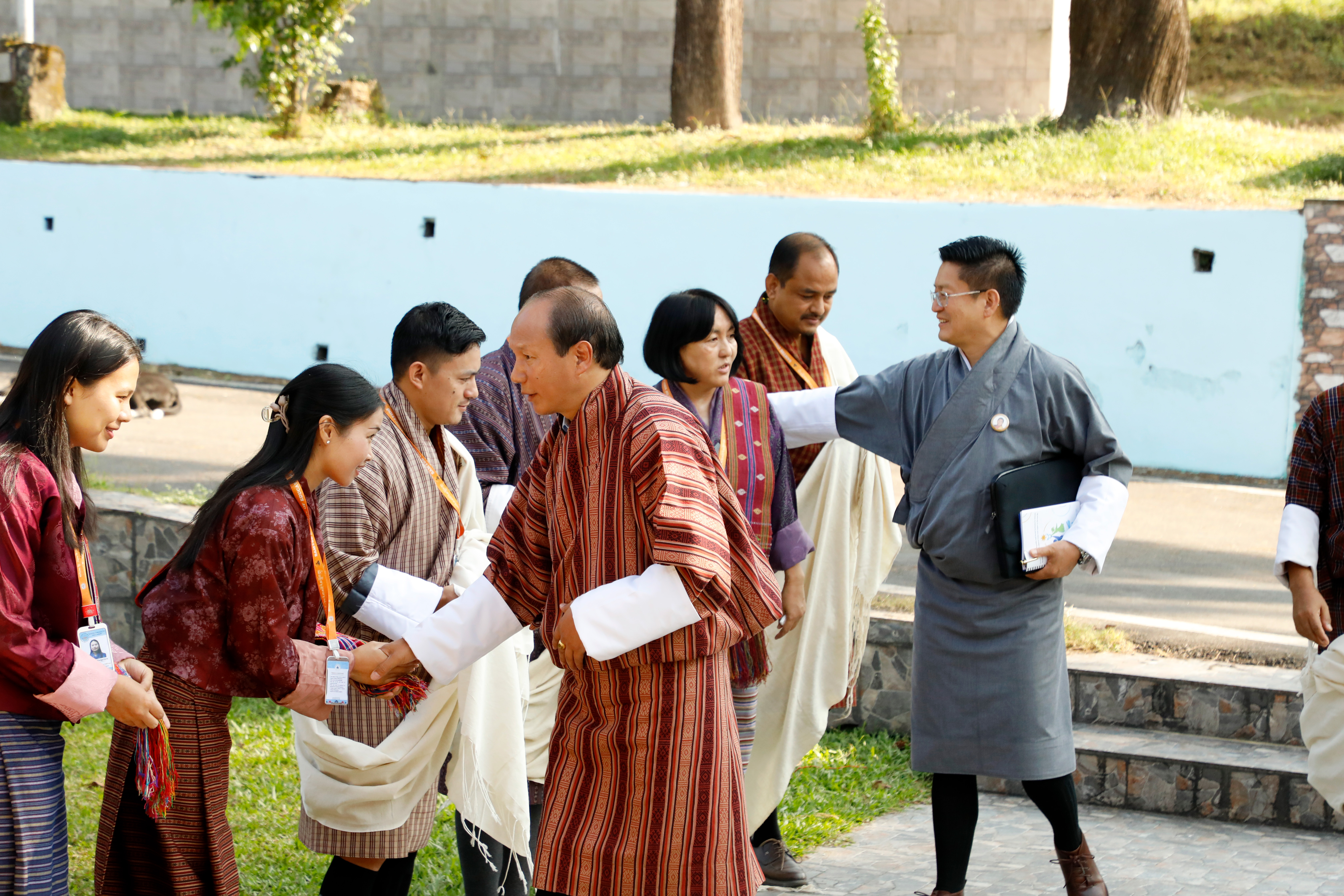
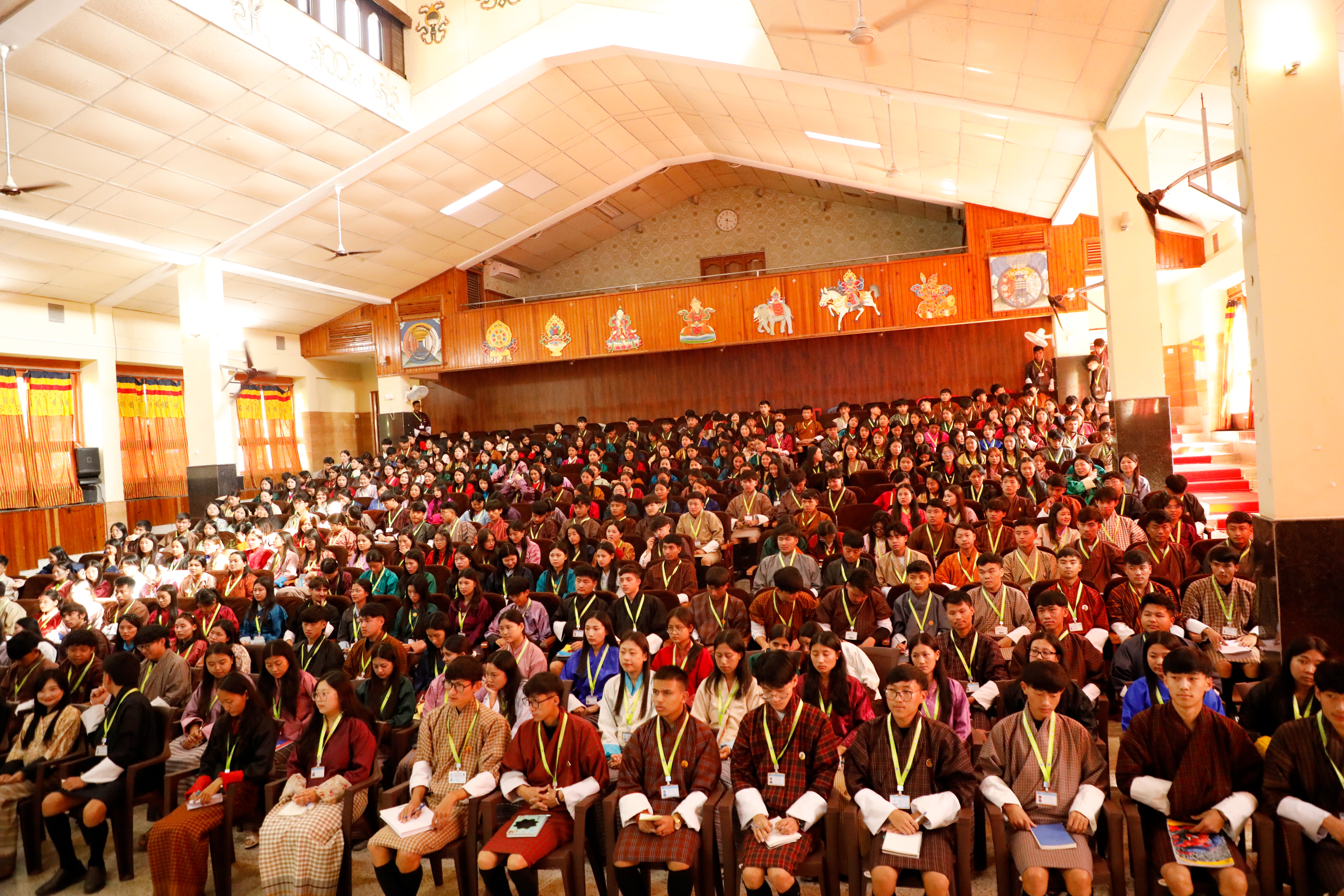
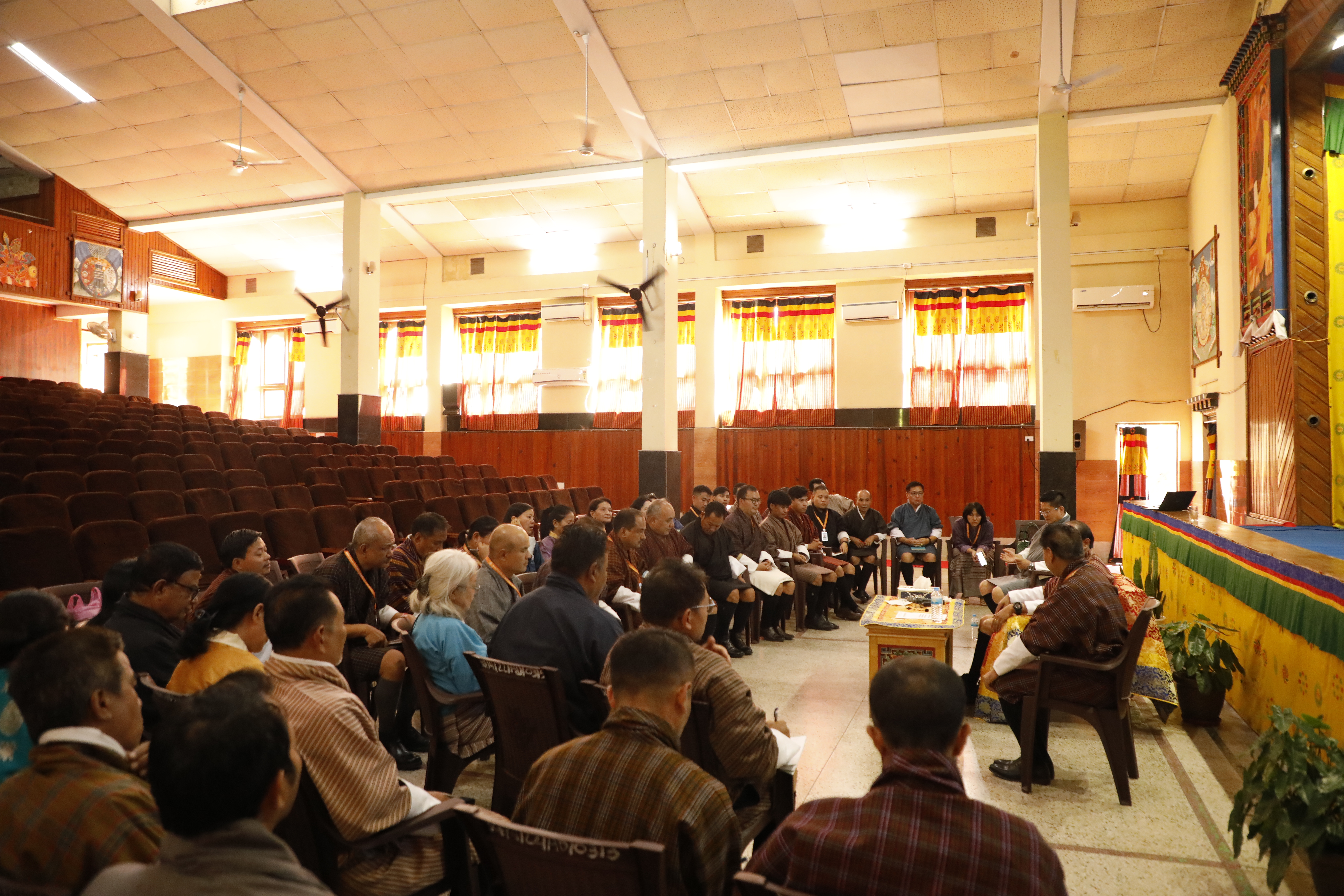
Samtse College of Education (SCE) had the honour of hosting the Hon’ble Vice Chancellor of the Royal University of Bhutan (RUB), Dasho Chewang Rinzin, on 12 November 2026. During the visit, Dasho engaged with students and faculty members through a series of sessions, sharing perspectives on personal responsibility, professional integrity, institutional transformation and the role of higher education in shaping Bhutan’s future.
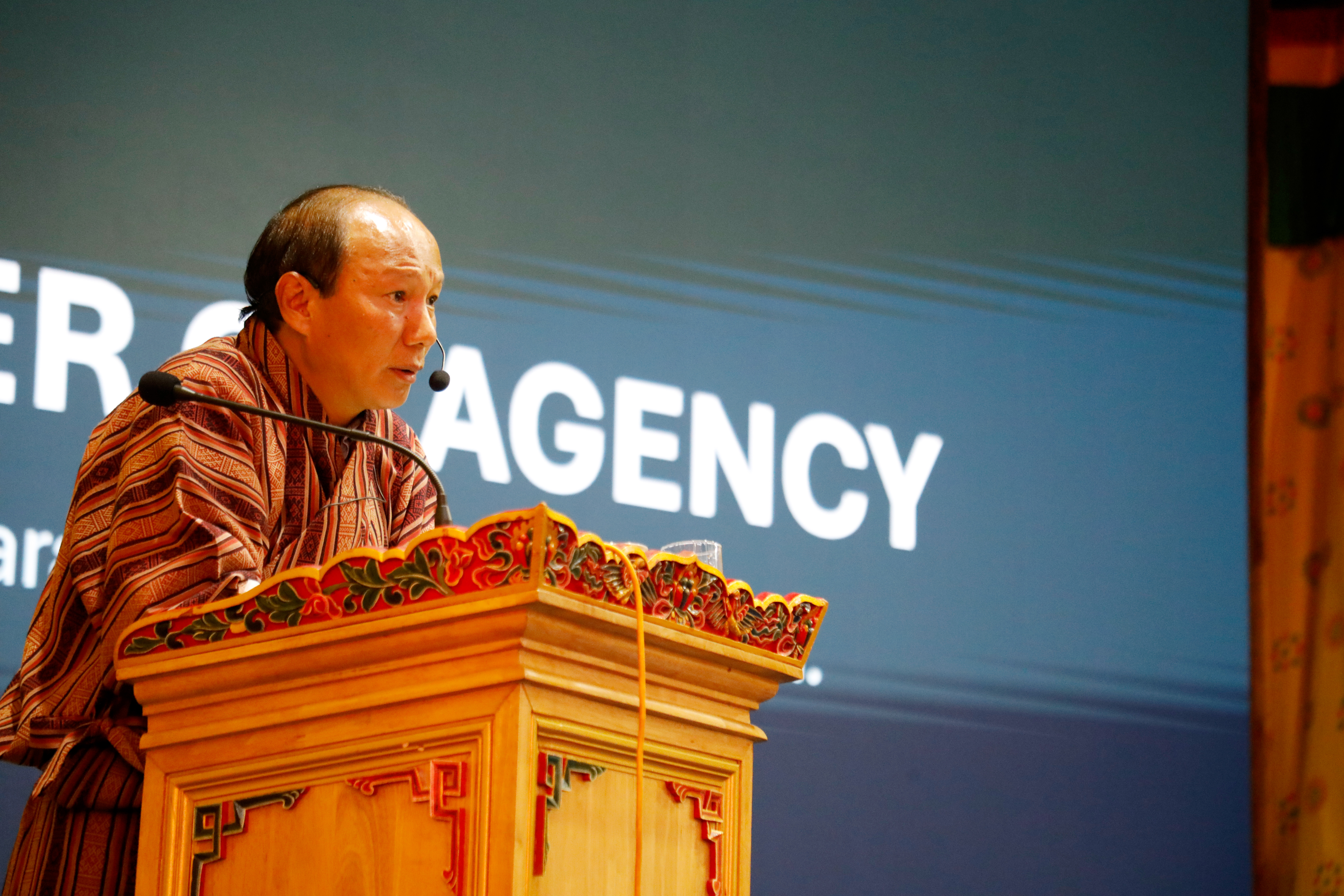
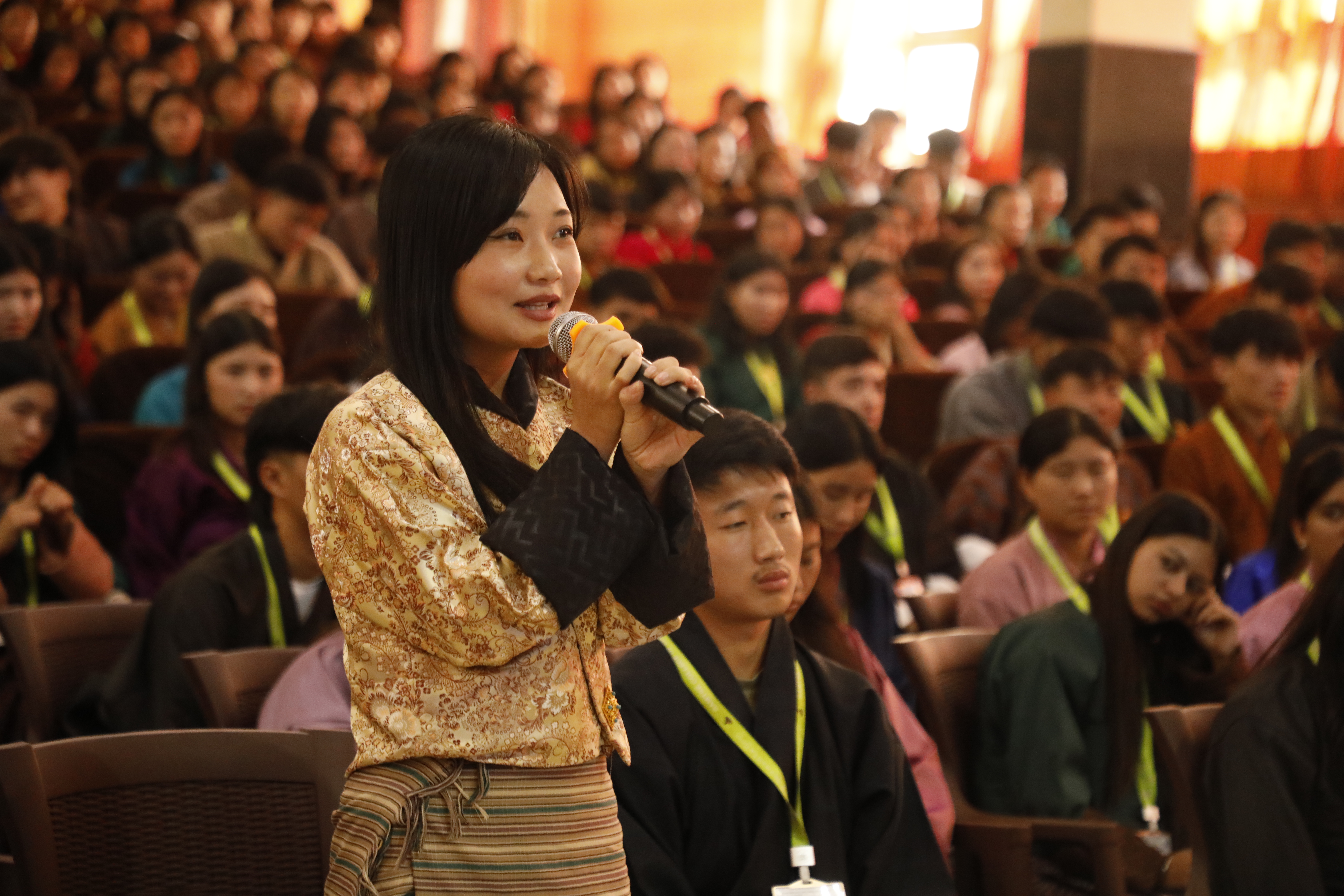
The programme featured two sessions with students, followed by an interaction with faculty members. In his address to teacher trainees, Dasho spoke on The Power of Agency, emphasising the importance of personal responsibility, independent decision-making and purposeful action. He explained that although individuals may not always have control over their circumstances, they have the ability to choose how they respond to them. He encouraged students to focus their energy on what they can influence rather than dwell on situations beyond their control.
Highlighting the significant role of teachers in nation-building, Dasho reminded the trainees that teachers have a profound responsibility in shaping students’ character, confidence and learning. He encouraged them to cultivate discipline, integrity, humility, gratitude, respect and hard work, noting that while academic qualifications prepare individuals for the profession, character makes them trustworthy teachers.
He further emphasised the importance of professional and social agency, encouraging future educators to create supportive learning environments, collaborate with families and communities, take initiative in improving teaching practices and contribute meaningfully to the aspirations of His Majesty The King and the transformation of Bhutan. His address underscored the importance of exercising agency with purpose, responsibility and a commitment to making a positive difference in society.
Following the student sessions, Dasho met with faculty members to discuss the evolving priorities of RUB and the collective responsibility of colleges in advancing higher education. He emphasised that students must remain at the centre of the University’s priorities, reminding faculty members that colleges exist for students and therefore carry a significant responsibility in nurturing their potential. He also highlighted the multiplier effect of education, noting that students and alumni have the capacity to create meaningful change in society and beyond.
Underscoring Bhutan’s unique development aspirations, Dasho called on the University to remain tireless in preparing grounded graduates who can contribute meaningfully to the nation’s future. He particularly highlighted the potential role of RUB graduates in realising the aspirations of Gelephu Mindfulness City (GMC) and encouraged faculty members to take bold steps in preparing graduates who can respond to emerging national and global needs.
A key theme of his interaction with faculty was the relationship between Gross National Happiness (GNH) and higher education. He observed that GNH is Bhutan’s unique strength and a distinguishing feature that can offer valuable perspectives to the world. He highlighted the potential for RUB to offer a distinct perspective on education, grounded in ethics, values and the philosophy of GNH, and to contribute meaningfully to global conversations on the future of education. He encouraged the University to explore how GNH could meaningfully shape higher education and strengthen RUB’s vision of enlightened education. He also highlighted the importance of intergenerational equity, grounded leadership, mindfulness, wellbeing, emotional intelligence and self-awareness.
Dasho further encouraged faculty members to create spaces for diverse perspectives, critical discussions and difficult questions that can challenge existing practices and bring about meaningful change. He urged the University to be “proactive rather than reactive”, cautioning against maintaining the status quo in a rapidly changing world.
Addressing the growing influence of artificial intelligence (AI), he emphasised the need to build institutional expertise and capacity to respond to the changing technological landscape. He noted that students must develop the ability to critically judge and evaluate information rather than simply use AI tools. He also highlighted the opportunity for Bhutan to contribute to global discussions on the ethical and values-based use of AI.
On globalisation and internationalisation, Dasho stressed the importance of embracing different perspectives and positioning RUB at the forefront of national development. He reminded faculty members that the University must be a committed partner in development, demonstrating this commitment through meaningful contributions and sustained hard work.
Dr. Rinchen Dorji, Pro Vice Chancellor of RUB, also briefed the faculty on developments concerning two key policy documents, emphasising the importance of their effective implementation at the college level. He reminded faculty members that the University cannot afford to take a back seat during a period of significant transformation and highlighted quality assurance as an important institutional responsibility.
The visit provided an opportunity for the SCE community to reflect on its role in advancing the University’s vision and contributing to national development. The interactions reaffirmed the importance of nurturing responsible and grounded graduates, strengthening institutional practices and preparing future educators to respond meaningfully to the changing needs of Bhutan and the wider world. They also highlighted the potential of Bhutan’s values-based approach to education to contribute to global thinking and practice.

You may also like