Bridging Communities Through Dialogue: BCMD’s Local Exchange Programme at SCE
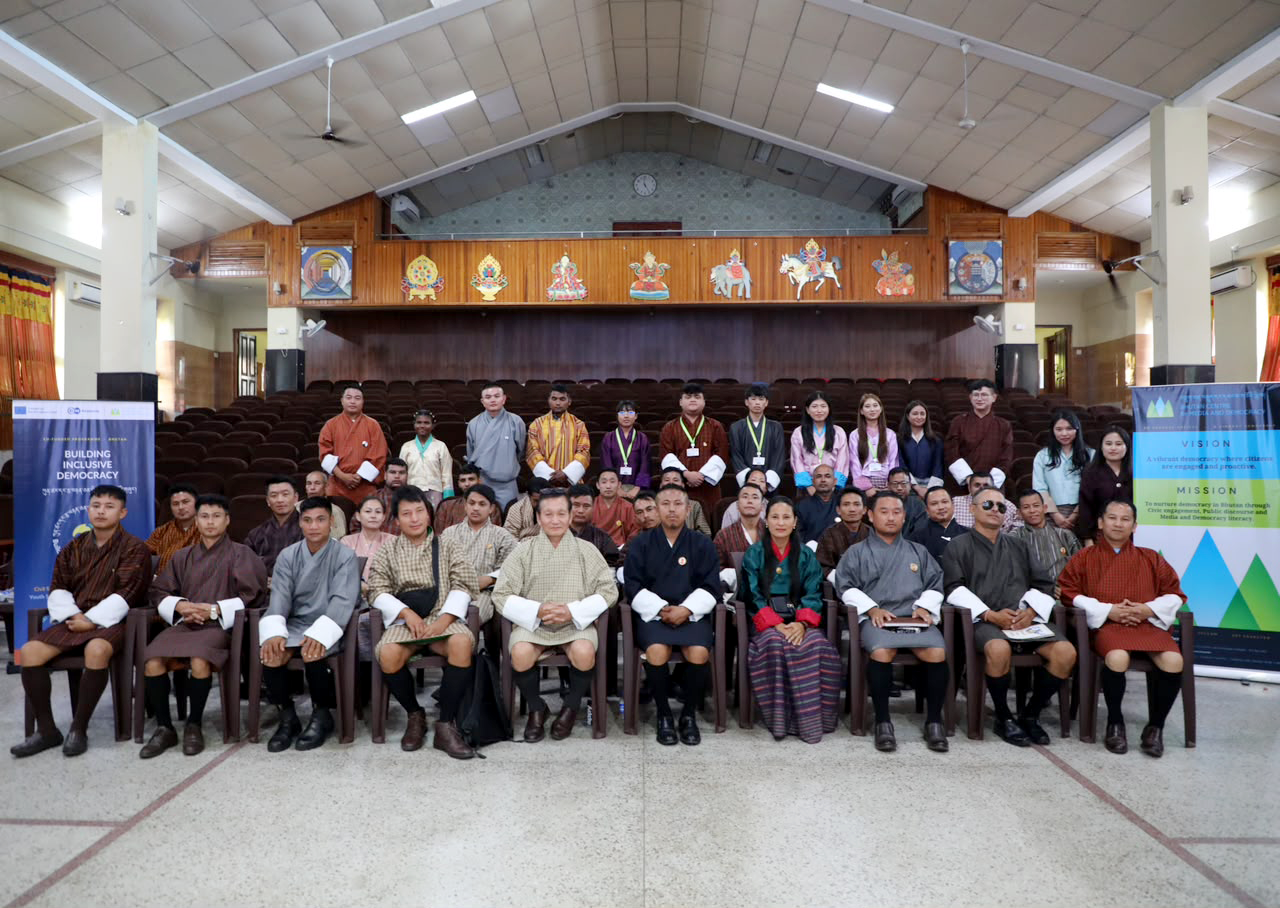
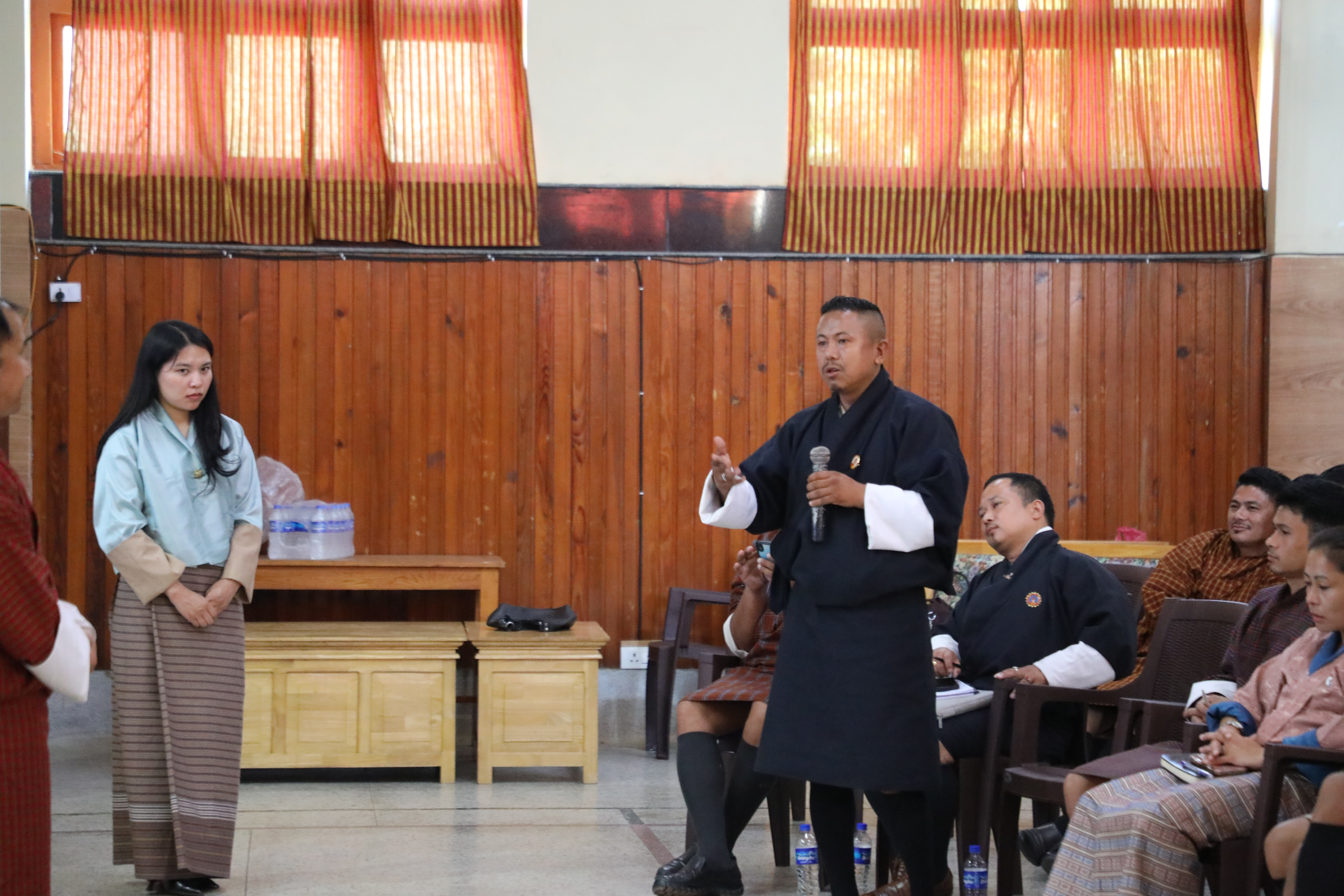
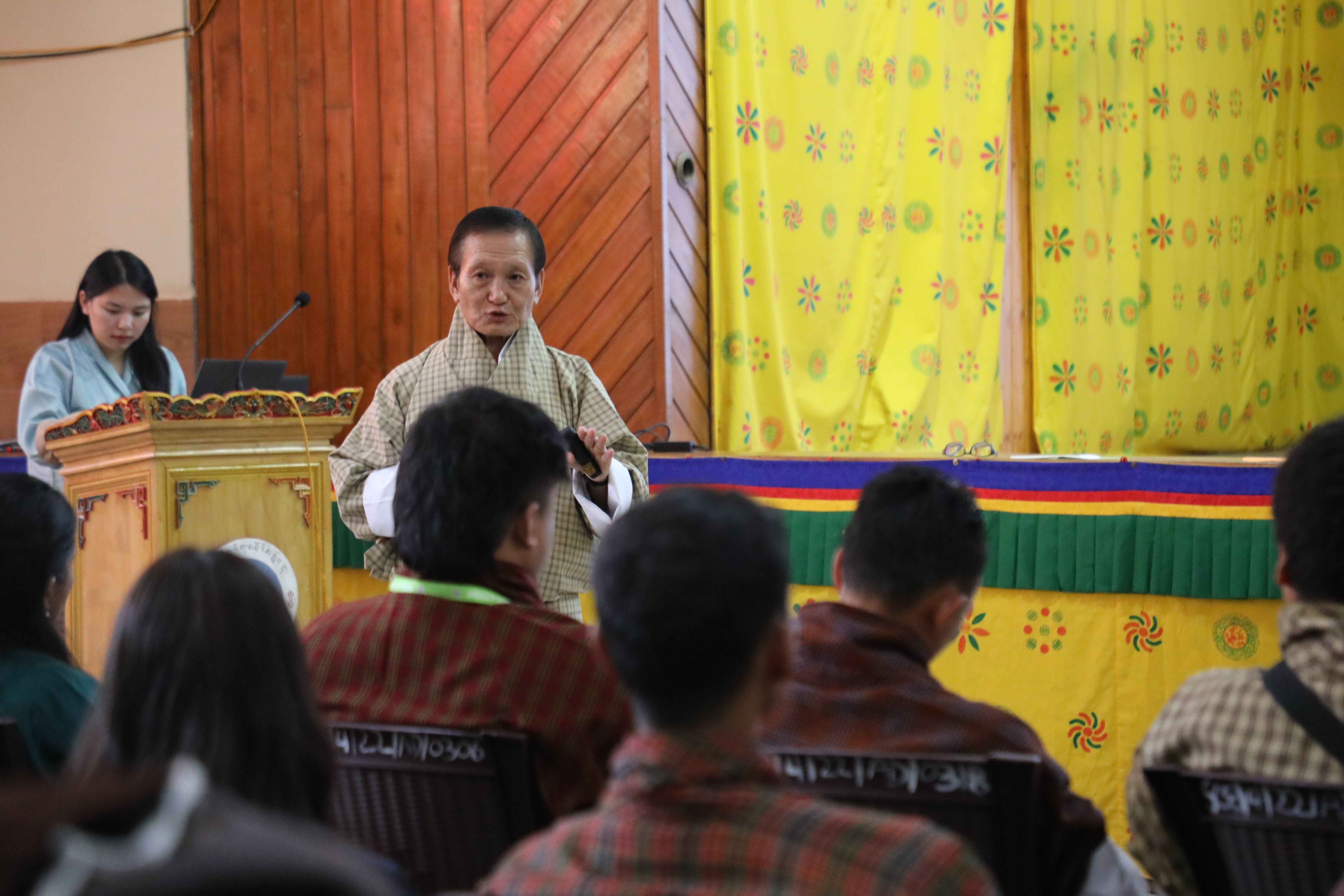
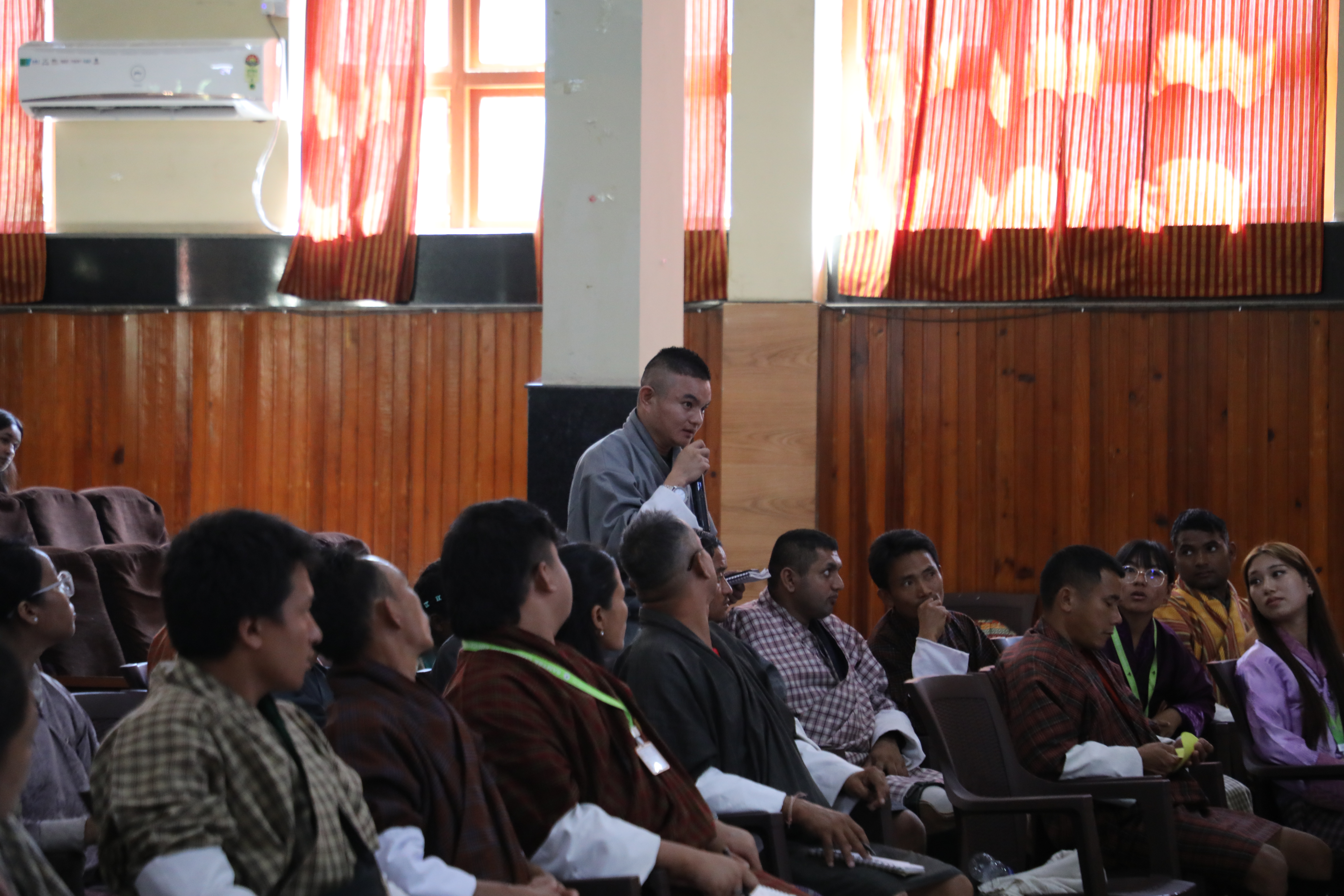
On 13 October 2026, The Bhutan Centre for Media and Democracy (BCMD) organised a Local Exchange Programme at Samtse College of Education, bringing together local government leaders, civil society organisations (CSOs), community members and students to promote dialogue, mutual learning and collaboration on local development.
The programme provided a platform for participants to engage with organisations working on key social issues, exchange perspectives and deepen their understanding of challenges affecting communities. Through awareness sessions, participating organisations highlighted issues relating to disability inclusion, stroke prevention, gender and sexual diversity, substance and alcohol use disorders, mental health, and transparency and accountability in public service delivery.
The initiative reflects BCMD’s broader efforts to strengthen civic engagement, promote participatory governance and foster collaboration among local governments, civil society organisations and communities. Similar initiatives facilitated by BCMD underscore the value of structured dialogue in raising awareness of civil society contributions and identifying opportunities for collective action on local development.
Alongside BCMD, representatives from other organisations also shared their knowledge and experiences, broadening participants’ understanding of various social issues.
- Promoting disability inclusion and equal participation
Ability Bhutan Society (ABS) covered a session on disability, emphasising the importance of understanding the experiences and needs of persons with disabilities and creating a more inclusive society. The session sought to encourage participants to recognise the barriers that may prevent persons with disabilities from participating fully in community life.
ABS advocates meaningful inclusion, accessibility and improved opportunities for persons with disabilities. It also highlights the importance of supporting families and caregivers and strengthening public understanding of disability. By raising awareness and challenging misconceptions, such initiatives can contribute to a more respectful environment in which persons with disabilities are recognised for their abilities, dignity and potential.
- Raising awareness of stroke prevention and early intervention
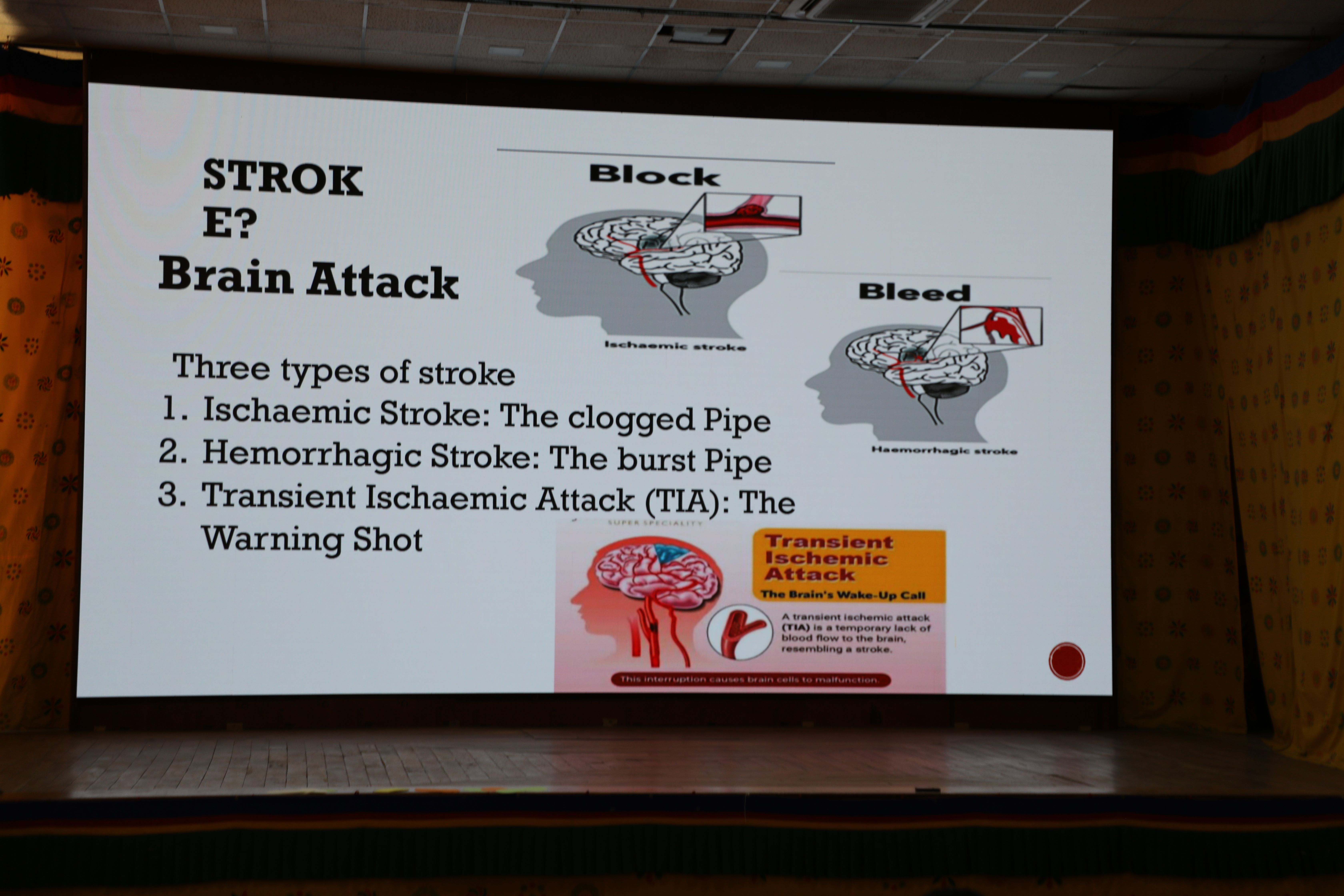
The Bhutan Stroke Foundation (BSF) provided essential information on stroke, focusing on its symptoms, prevention and the importance of timely medical intervention. The session aimed to equip participants with the knowledge needed to recognise warning signs and understand how appropriate action can help reduce the risk of severe complications.
The Foundation highlights that stroke occurs when the blood supply to part of the brain is interrupted or reduced, preventing brain tissue from receiving sufficient oxygen and nutrients. It identifies warning signs such as facial drooping, weakness in an arm, difficulty speaking, sudden confusion, vision problems and loss of balance. The Foundation promotes the” FAST” approach, Face drooping, Arm weakness, Speech difficulty and Time to seek emergency help to help people recognise a possible stroke and respond promptly.
The session also covered the importance of preventive measures, including maintaining a balanced diet, engaging in regular physical activity, avoiding smoking and excessive alcohol consumption, and monitoring health conditions such as high blood pressure and diabetes. By strengthening public awareness, the Foundation seeks to support prevention, early treatment and better care for stroke survivors and their families.
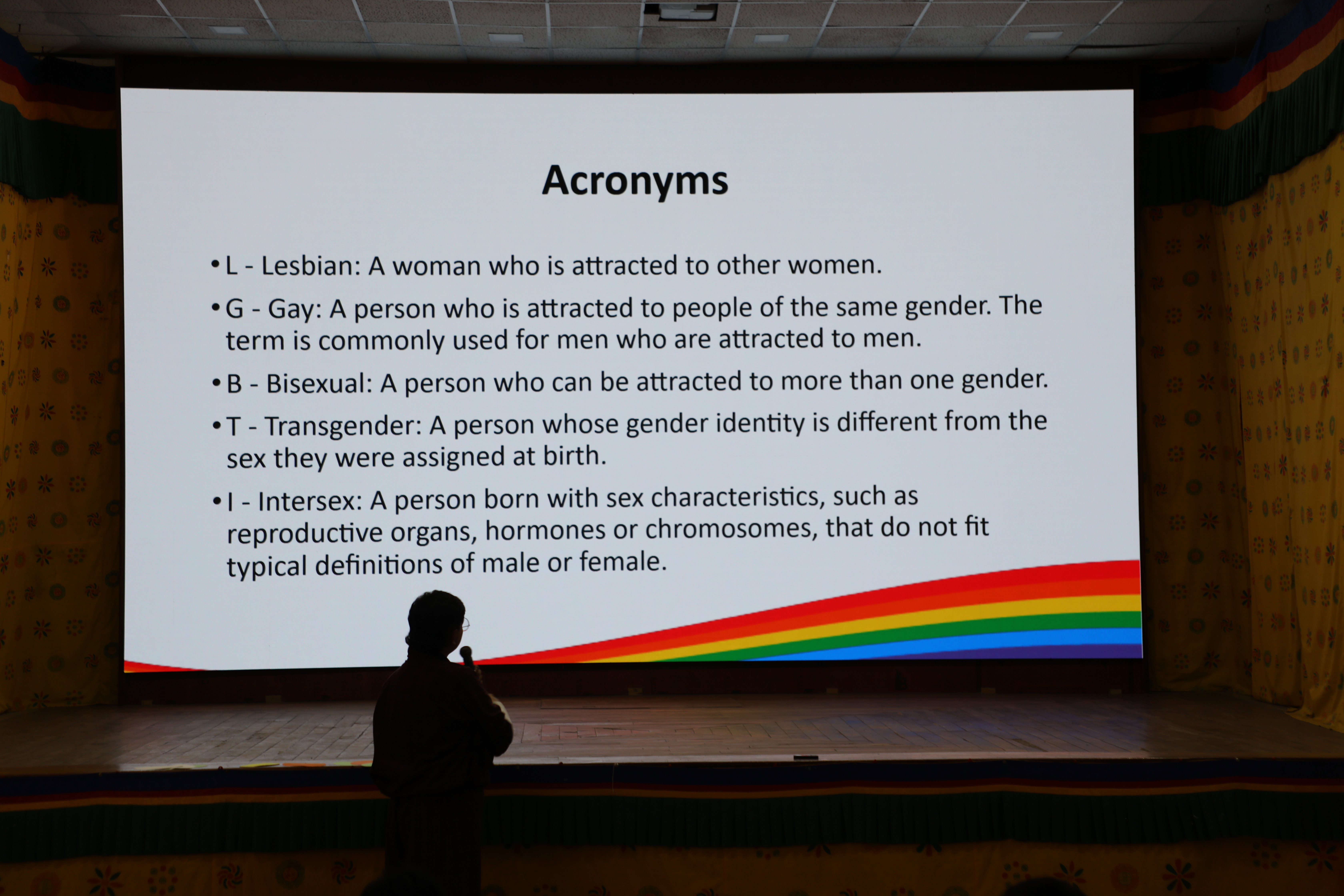
- Encouraging understanding and respectful dialogue on gender and sexual diversity
Queer Voices of Bhutan facilitated a session on sexual orientation, gender identity, gender expression and sex characteristics. The discussion focused on promoting awareness, acceptance and respectful dialogue about the diversity of human experiences and identities.
It provided an opportunity to address the importance of understanding differences without prejudice and creating spaces where individuals can participate in community life with dignity and respect. By encouraging open and informed conversations, the initiative sought to strengthen social understanding and challenge attitudes that may contribute to stigma, exclusion or discrimination.
The discussion also reinforced the importance of respectful communication and inclusive community engagement, particularly when addressing issues that are often misunderstood or overlooked in public discourse.
- Addressing substance use, alcohol-related harm and mental health
Chithuen Phendhey Association (CPA Bhutan) addressed substance and alcohol use disorders and their associated mental health challenges. The session drew attention to the importance of prevention, awareness and support for individuals and families affected by addiction and related difficulties.
CPA Bhutan works towards building a compassionate and resilient society through interventions focused on prevention, treatment and reintegration. Its approach also recognises the wider effects of adverse childhood experiences, trauma, addiction and mental health disparities on individuals, families and communities.
Emphasised the need to view substance use disorders and related challenges with understanding and compassion, rather than stigma. Raising awareness can help communities recognise the importance of early intervention, appropriate support and access to treatment. It can also encourage individuals and families experiencing such difficulties to seek assistance and support recovery and reintegration into society.
- Strengthening transparency, accountability and responsible citizenship
Bhutan Transparency Initiative (BTI) covered its causes, consequences and relevant legal frameworks. The session also explored citizens’ rights and responsibilities in preventing corruption and promoting transparency and accountability in public service delivery.
Particular emphasis was placed on the role of citizens in understanding their basic rights, seeking information and demanding accountable and transparent services. By improving public awareness of governance and accountability, the session aimed to encourage informed participation and strengthen the relationship between citizens and public institutions.
BTI’s stated mission includes strengthening public participation in promoting transparency, accountability and integrity, fostering partnerships to address corruption, and encouraging citizens and young people to take an active role in promoting integrity.
The discussion highlighted that promoting accountability requires more than formal rules and regulations; it also depends on informed citizens who understand their rights and responsibilities and are willing to engage constructively in public affairs.
Leki Zangmo BEd English/ History second II, one of the participants expressed, “Today’s Local Exchange Programme was a meaningful learning experience for me. Not only did I get the opportunity to learn about different associations in Bhutan, but I also gained a deeper understanding of the ground realities, challenges, and social issues they work to address. She also mentioned that through learning about the visions, missions, and challenges of each association, the take away message was that individuals also have an important role to play in creating positive social change. One of the core message was social stigma which affects many people in our society and the irony is that it originates from society itself. This made her realise that if our attitudes and judgments can contribute to these problems, we also have the power to challenge them by becoming more understanding, accepting, and compassionate

You may also like
From Student to Teacher: Preparing for a Professional Journey
Visit of the Hon’ble Minister of Industry, Commerce and Employment to SCE