Samtse College of Education Launches Master’s of Arts in Contemplative Counselling Programme
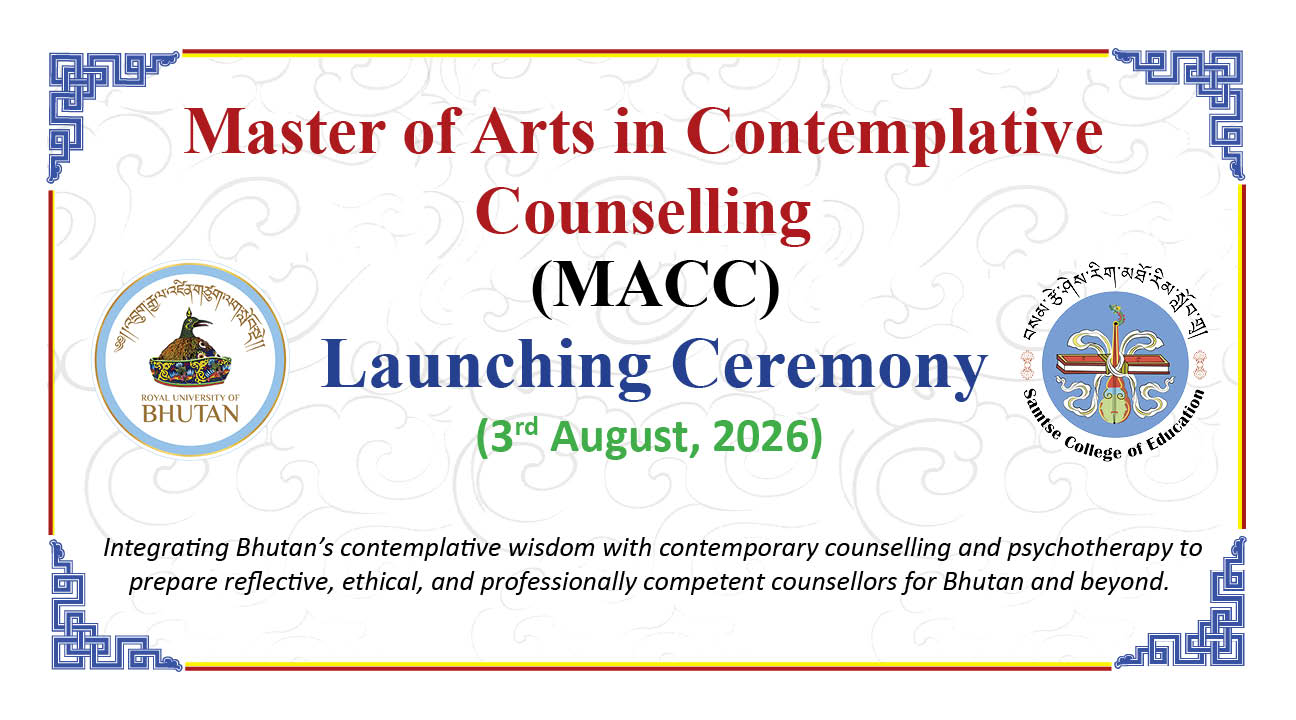
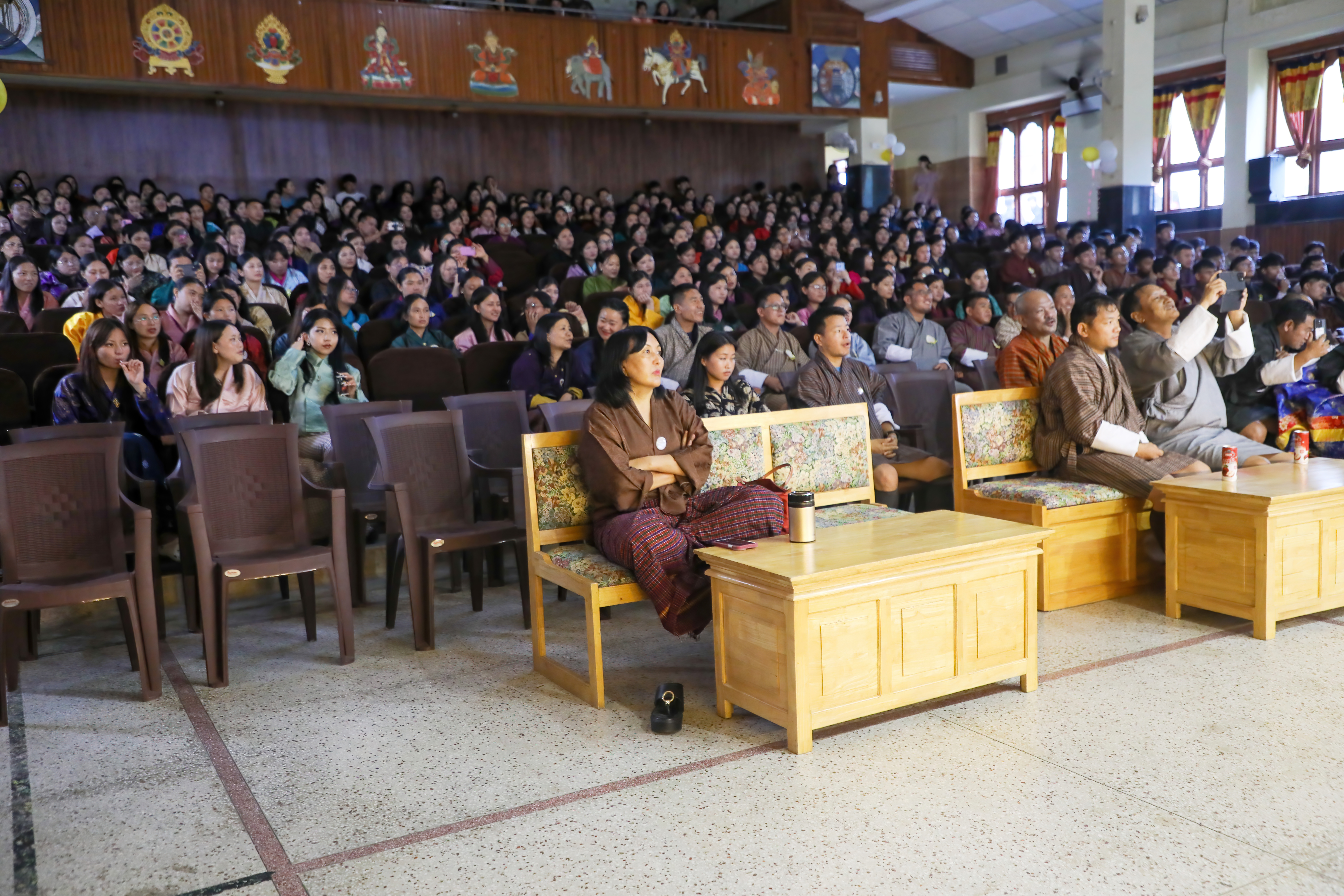
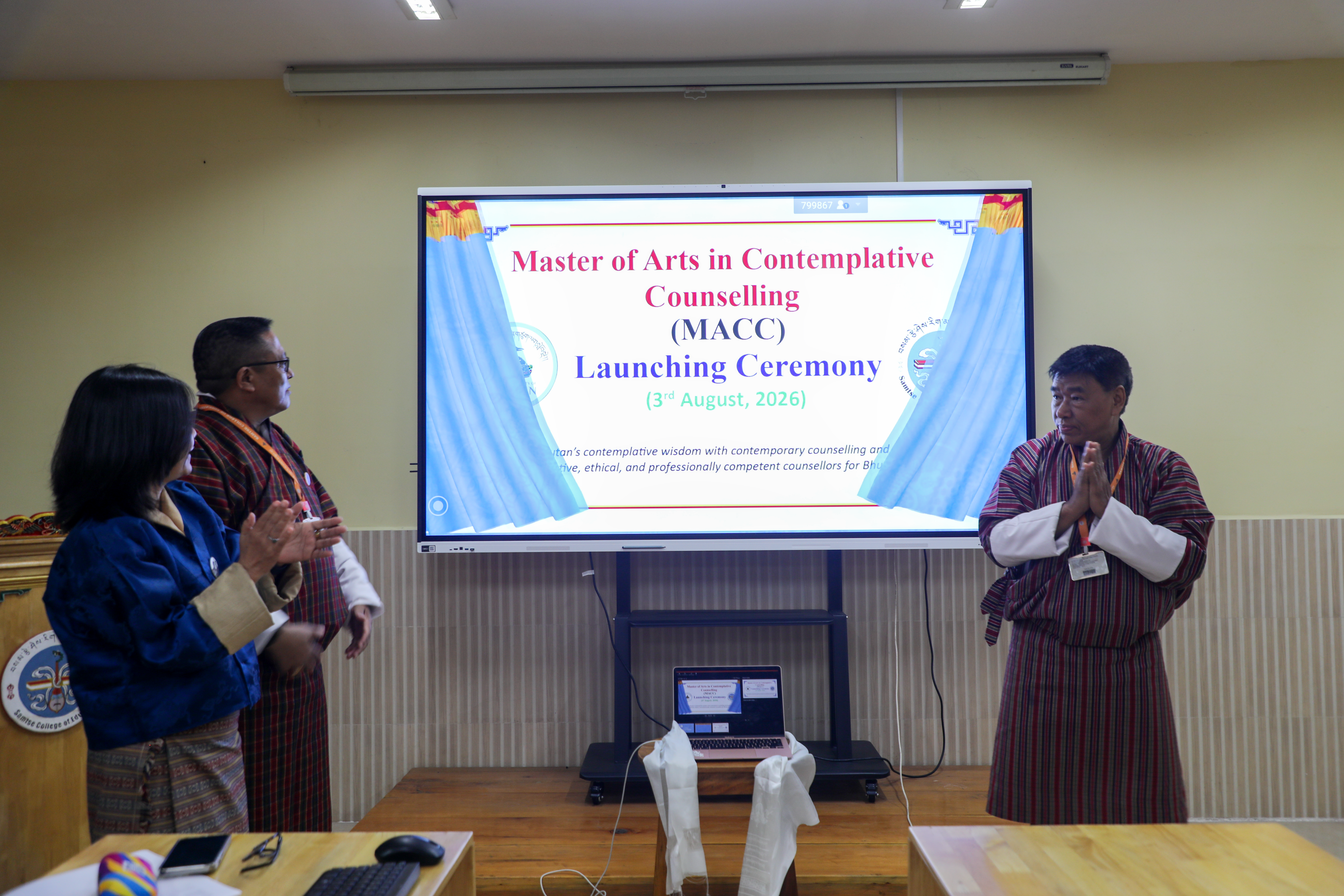
Samtse College of Education (SCE), Royal University of Bhutan, has launched the Master of Arts in Contemplative Counselling (MACC), the first master’s programme of its kind in the country. The programme welcomed its inaugural cohort of nine students at a launch ceremony held at the college, graced by the presence of the College President.
The MACC is a pioneering postgraduate programme that integrates Bhutan’s Buddhist contemplative wisdom with contemporary counselling and psychotherapy. Developed in response to the growing need for professionally trained counsellors, it aims to prepare reflective, ethical, and professionally competent practitioners who can address the evolving mental health and psychosocial needs of individuals, families, schools, and communities across Bhutan and beyond.
Opening the ceremony, Programme Leader Dr. Dechen Doma described the launch as a significant milestone for the college. She spoke to the growing need for qualified counsellors and the rising importance of mental health in the country, highlighting the programme’s distinctive Buddhist-informed approach to counselling and its responsiveness to the unique needs of clients.
Introducing the programme, Dr. Dechen explained that what distinguishes the MACC is its integration of Buddhist-informed, integrative, and pluralistic approaches to counselling. Drawing upon Bhutan’s rich contemplative heritage, the programme cultivates mindfulness, compassion, wisdom, and ethical practice while engaging critically with contemporary counselling theories and evidence-informed practice. Rather than promoting a single counselling model, it embraces a pluralistic perspective that equips students to adapt their practice to the unique needs, values, cultures, and preferences of each client.
The programme is further distinguished by its three complementary modes of learning. First-person learning fosters the personal development of the counsellor through contemplative practice, self-reflection, and a residential retreat. Second-person learning strengthens relational competence through counselling skills development, supervision, and authentic engagement with clients and peers. Third-person learning develops scholarly competence through research, critical inquiry, and the integration of theory, evidence, and professional practice. These dimensions are reinforced through supervised internships and experiential learning, ensuring graduates are equipped to deliver ethical, culturally responsive, and evidence-informed counselling across diverse professional settings.
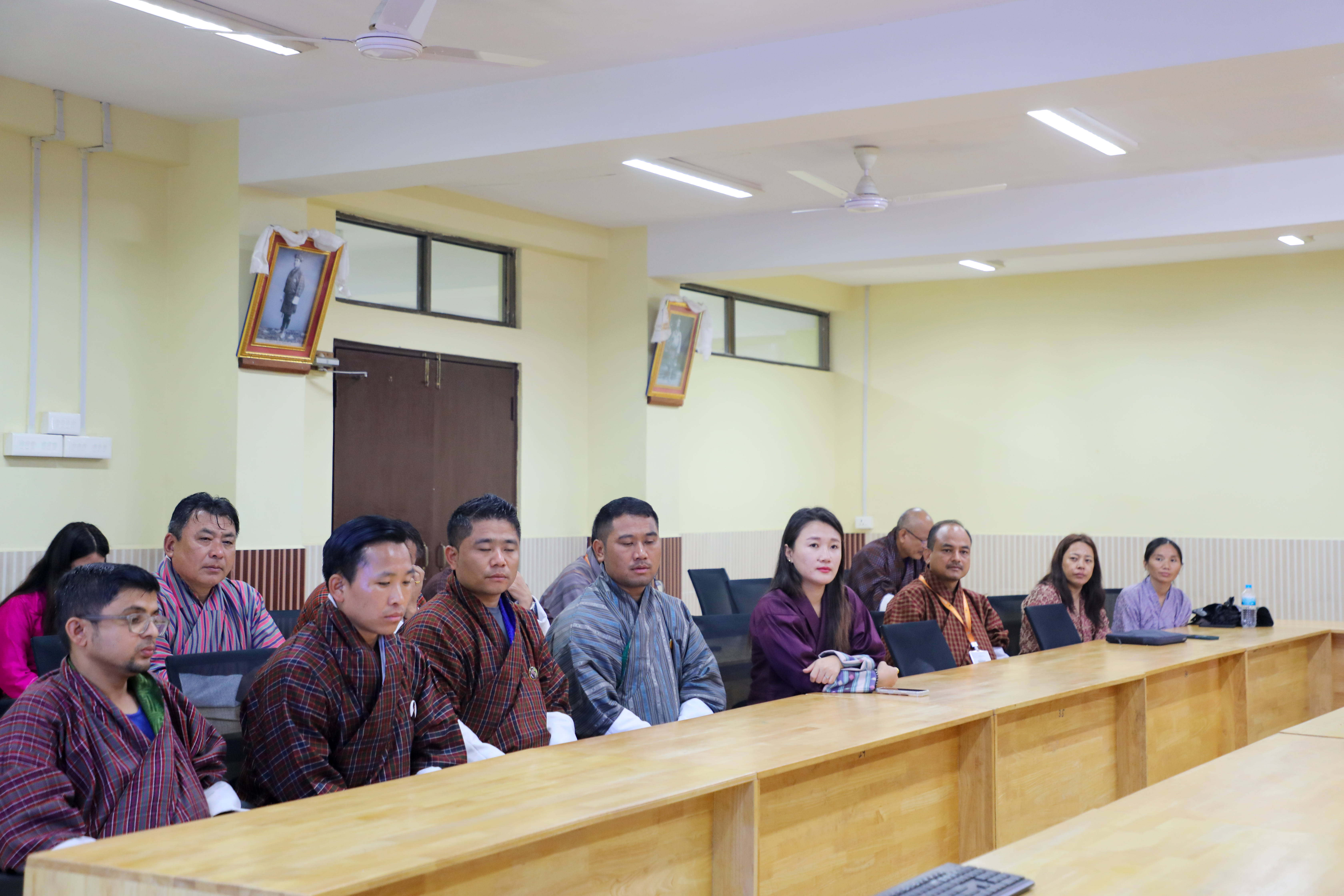
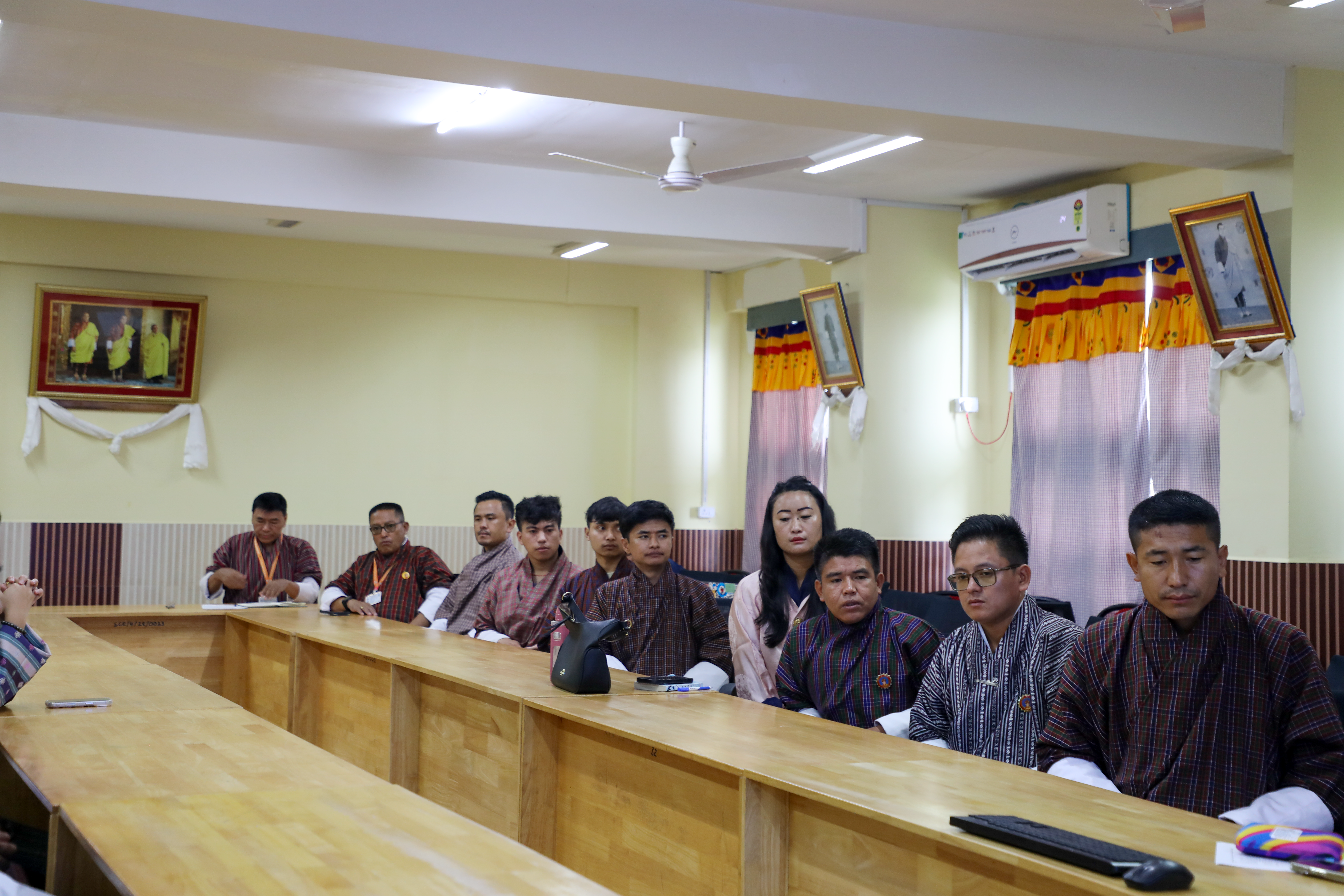
A particular highlight of the occasion was the warm welcome extended to the first cohort of nine MACC students. Each is an experienced school counsellor who has already served young people and school communities across Bhutan with dedication and professionalism. As pioneers of the programme, they are expected to help shape the future of contemplative counselling in the country.
In his address, College President Dr. Sonam Rinchen welcomed the inaugural cohort and acknowledged the counselling team for their dedication in developing, reviewing, validating, and launching the programme. He extended his gratitude to the Ministry of Education and Skills Development (MoESD) and the Office of the Vice Chancellor, and expressed special appreciation to the Government of India, whose funding support made the establishment of the programme possible.
Noting that the MACC is the college’s eighth master’s programme, Dr. Sonam Rinchen said it responds directly to the rising need to address the emotional well-being of the Bhutanese people and the country’s growing demand for trained counsellors. Reflecting on contemporary social issues, he observed that the programme is grounded in Buddhist perspectives while aligned with international best practices, and expressed confidence in its potential to make a meaningful impact on schools and the nation. He also acknowledged the Dean of Academic Affairs for leading the development of the 18-month programme. Dean of Academic Affairs Mr. Kuenzang Gyeltshen offered khadar to the inaugural cohort to mark the occasion and expressed appreciation to all who contributed to the programme’s development and launch.
The 18-month, full-time MACC programme comprises nine taught modules and a research dissertation, and includes two supervised counselling internships and an immersive contemplative retreat. It is aligned with the professional standards of the Bhutan Qualifications and Professionals Certification Authority (BQPCA), ensuring graduates are well prepared for nationally recognised professional counselling practice.
With the launch of the MACC, Samtse College of Education reaffirms its commitment to advancing mental health and well-being in Bhutan by preparing a new generation of counselling professionals rooted in contemplative wisdom and contemporary practice.

You may also like
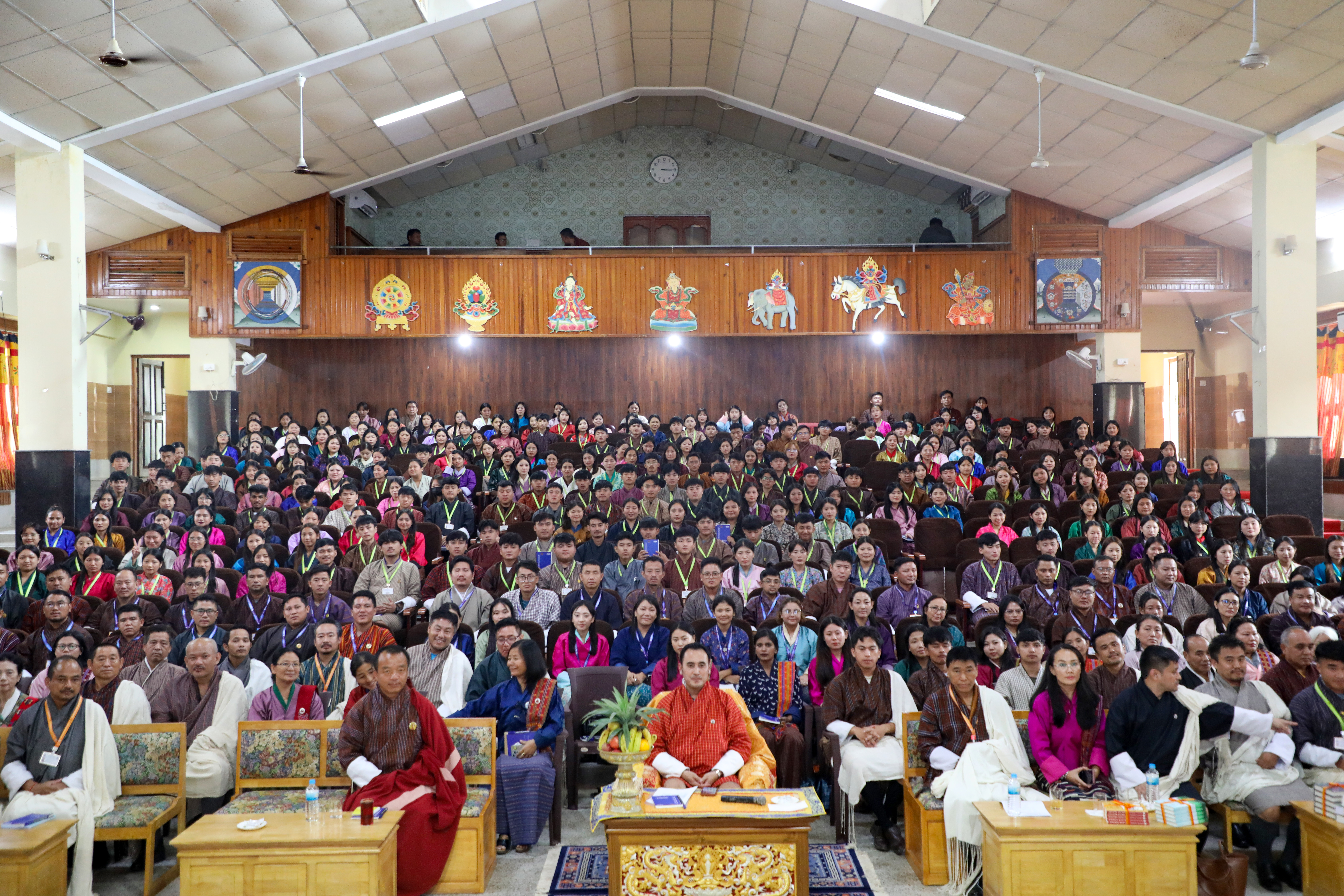
Visit of the Hon’ble Minister of Industry, Commerce and Employment to SCE
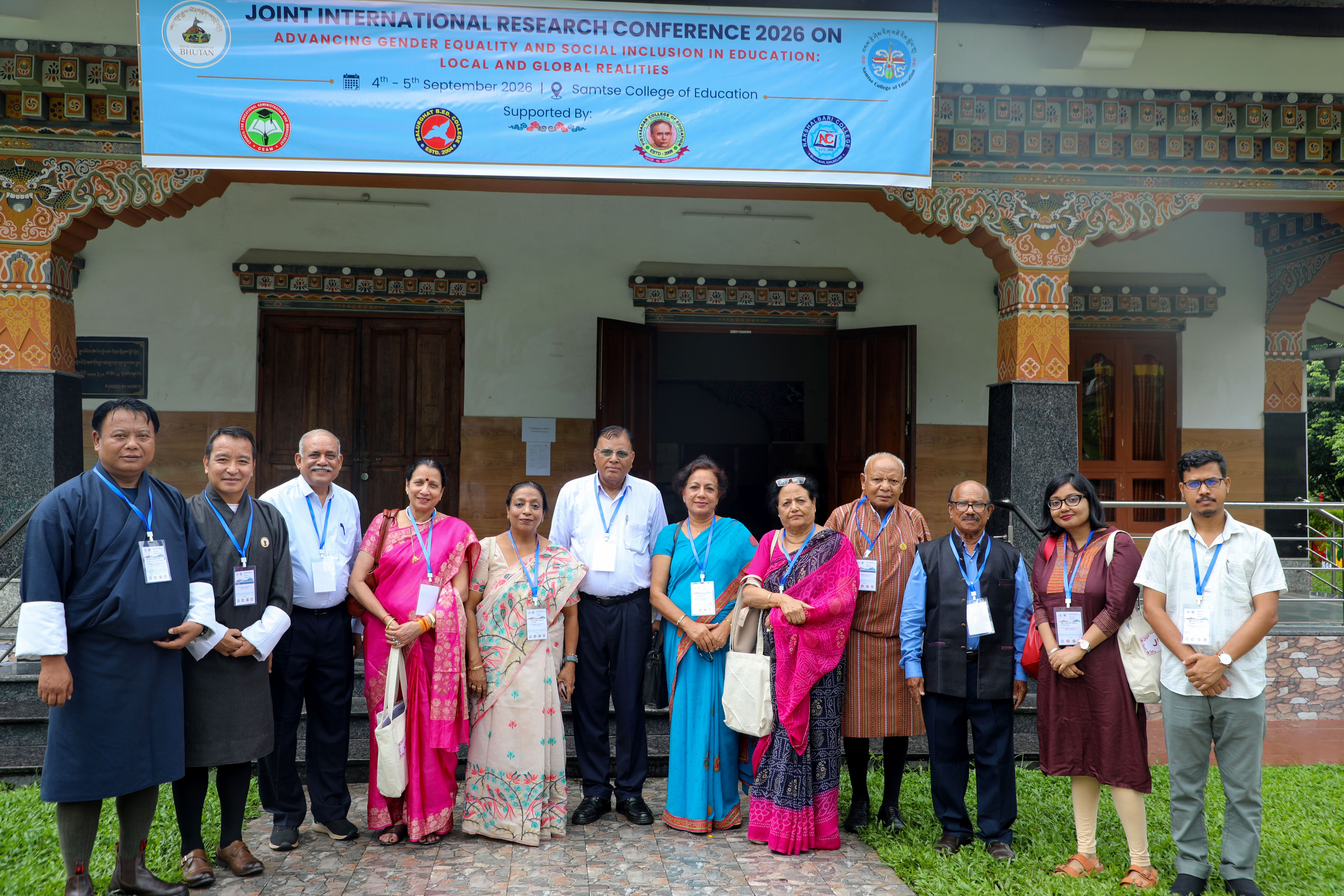
SCE Hosts Joint International Research Conference 2026